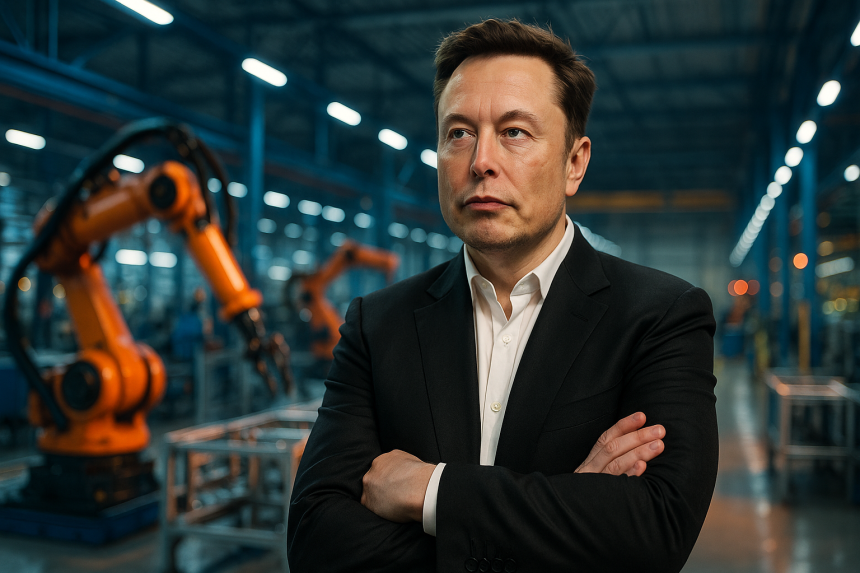
EchoStar finds itself at the center of attention as Elon Musk, through SpaceX, undertakes a crucial financial move by committing a $19.6 billion investment into the company. This development marks a pivotal moment for EchoStar, aimed at reshaping its standing in the telecommunications industry. Musk’s interest underscores a strategic shift in leveraging satellite spectrum assets, offering EchoStar a lifeline amid its financial struggles. As the market observes this move, it raises questions about the future direction of both EchoStar and SpaceX.

What Are the Investment Details?
In 2025, EchoStar entered into an agreement with SpaceX to sell AWS-4 and H-Block spectrum. This includes an additional 15 MHz of AWS-3 spectrum, culminating in a $19.6 billion deal comprised of $11.1 billion in SpaceX equity and up to $8.5 billion to settle EchoStar’s debts. SpaceX will also handle interim debt service, amounting to about $3 billion by November 2028.
The Federal Communications Commission (FCC) cleared the deal on May 12, 2026, with the anticipated finalization set for November 2027. The deal involves acquiring 65 MHz of spectrum and certain global satellite service licenses, as confirmed by SpaceX in its investor communications. This agreement establishes a substantial growth opportunity for SpaceX, with strategic implications for its spectrum holdings.

Can EchoStar Rebound From Financial Losses?
EchoStar, despite enjoying a stock surge, continues to post troubling financial figures. Reporting a negative EPS of -$50.21 and a profit margin of -97.6%, the company’s struggles are evident. Short interest remains high due to skepticism surrounding EchoStar’s pay-TV business. Yet, for some, the promise of a financial turnaround fueled by SpaceX dollars presents a silver lining.
EchoStar’s stock, closing at $129.19, rose 540% over the year, reflecting investor optimism. Yet, financial analysts remain cautious, noting the shift in EchoStar’s strategy from building wireless assets to capitalizing on spectrum sales. This shift aligns with EchoStar’s sale of spectrum to AT&T, amounting to another $22.65 billion transaction.
Additional insight reveals that EchoStar owns significant assets post-transaction. These include Hughes broadband services, a remaining pay-TV division, and a newly formed EchoStar Capital. The strategic move involves reinvesting spectrum proceeds, led by CEO Hamid Akhavan. The ownership of SpaceX stock also positions EchoStar within a burgeoning tech landscape.
Recent developments echo similar past deals where major investments from tech moguls signaled significant shifts. Historically, the telecommunications sector has seen business transformations through spectrum sales and strategic partnerships. EchoStar’s current changes are reflective of ongoing trends in the industry, yet the scale and stakeholders involved bring added significance.
As EchoStar navigates its financial complexities and leverages new cash inflows, its future path remains under scrutiny. The success of proposed changes hinges on effective asset management and strategic reinvestments in satellite technology. Whether EchoStar can effectively translate its assets into sustainable growth remains a point of speculation among investors and analysts alike.