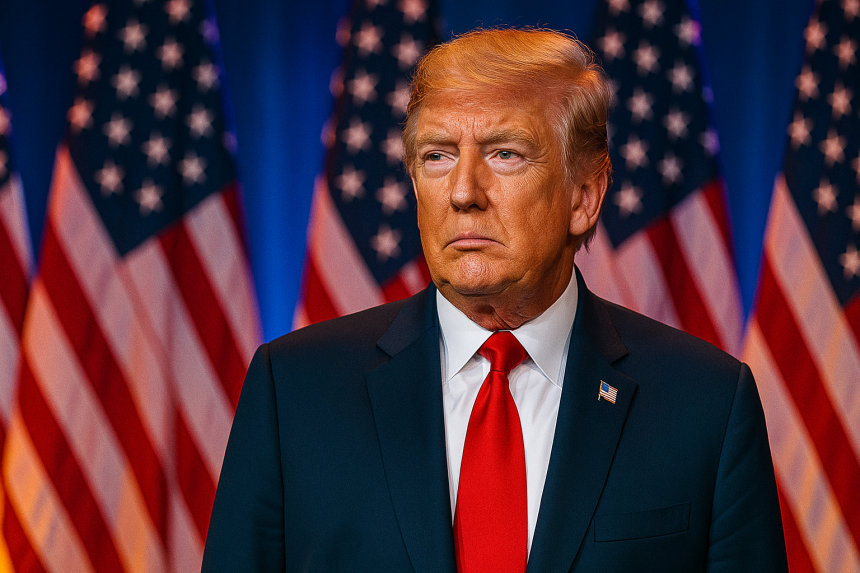
The rising energy costs of 2026 have caught the attention of many, leading to a broader discourse on their origins. Recent data indicates a noticeable increase in average gasoline prices, sparking debates about the influences at play. The escalating fuel costs, significantly impacted by geopolitical conflicts, have become a financial burden for consumers and a point of contention in political discussions. The aim for transparency on what drives these prices is essential, especially when it involves major companies and administration policies.

 ETH
ETH
 SOL
SOL
 BSC
BSC
 ROBINHOOD
 USDT
USDT
 AAPL
AAPL
Trump’s demand for Chevron to reduce fuel prices focuses scrutiny on the oil industry’s role in setting those prices. However, historically, major oil companies have had limited involvement in determining the prices observed at local gas stations. The fluctuating energy markets have seen ups and downs over the years, largely driven by global crude oil prices and regional political events, rather than direct orders from corporate headquarters. Major events, such as changes in Middle Eastern diplomatic relations, often create ripple effects that impact global oil prices comprehensively.
What Drives Fuel Prices?
Gasoline prices are determined by several factors, none of which are directly in the control of oil companies alone. While retail stations are frontline fixtures consumers interact with, the intricacies of pricing lie in wholesale markets, supply chain logistics, and geopolitical tensions. According to industry players, only a small percentage of stations are owned by big oil corporations like Chevron and ExxonMobil. This highlights that many stations set prices based on local competition, operational costs, and expected future inventory costs.

Is Policy Affecting the Market?
Trump’s policies, particularly those impacting international relations, have been pivotal in recent shifts within oil markets. Political moves, such as military actions or diplomatic agreements, introduce a degree of uncertainty that often prompts immediate price adjustments in both raw oil and refined gasoline. Geopolitical risks are priced into crude oil premiums, influencing downstream sectors and, consequently, retail prices at the pump.
Amidst political rhetoric, it’s crucial for the public to discern actual mechanisms driving energy costs. Key players like Chevron indeed play roles in the energy supply chain but are not the sole arbiters of retail pricing. The interplay between market response to crude prices and traditional retail behavior is both complex and volatile.
Higher crude oil prices offer profitability opportunities for integrated oil companies, yet their influence on retail gas prices remains indirect. Consumer-level frustrations, meanwhile, often seek simple solutions to these multifaceted issues, a sentiment echoed in online discussions and political speeches.
Observers and investors are encouraged to focus on global supply dynamics and geopolitical developments when considering reactions in the energy sector. Arguments about corporate responsibility in gas pricing may overlook the broader market trends governed by international oil output, OPEC decisions, and regional conflict steadiness.
Amid demands, Trump’s social media signals touch on a broader economic challenge. Understanding the full scope of energy pricing can help consumers and analysts to better anticipate future fluctuations. While social media may serve as a platform for political declarations, the realities of market economics necessitate a nuanced understanding of global energy dynamics and the limited influence any singular entity can exert.