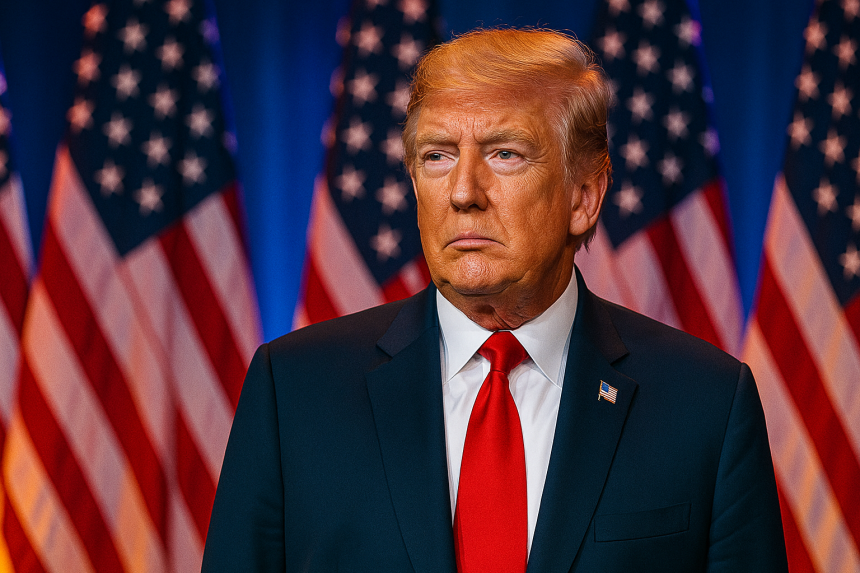
Cuba’s economy is facing mounting challenges as escalating US pressure adds to an existing energy crisis. The US economic embargo has already curtailed crucial oil imports, further tightening Cuba’s strained economic situation. Amidst these developments, President Donald Trump’s recent comments about potentially taking control over the island have heightened fears of a worsening economic crisis. The remarks resonated across political and economic spheres, bringing attention to Cuba’s precarious stability while its political relationships hang by a thread.

 ETH
ETH
 SOL
SOL
 BSC
BSC
 ROBINHOOD
 USDT
USDT
 AAPL
AAPL
In recent history, Cuba has dealt with substantial economic pressures, chiefly from the US-imposed restrictions impacting their trade and fuel supplies. The bilateral ties with Venezuela, previously a substantial supporter of Cuba, have also seen shifts due to political developments, reducing Cuba’s options to mitigate its energy needs. These ongoing strains resonate with the historical struggles Cuba has faced in sustaining its economic resilience amid international pressure.
How is the Oil Blockade Impacting Cuba?
The cessation of Venezuelan oil shipments to Cuba, following US actions against Venezuelan leadership, has intensified an existing energy crisis. Oil was a critical component of Cuba’s energy infrastructure, and its absence has left significant gaps in daily operations and economic activities. The energy shortfall has caused widespread power outages, affecting sectors from manufacturing to public services, and complicates any efforts toward recovery.

What are the Possibilities in US-Cuba Talks?
Trump’s statement coincides with diplomatic negotiations between the US and Cuban officials, fueling scrutiny over what the future might hold for bilateral relations. There are claims that Washington seeks the removal of President Miguel Díaz-Canel, creating additional uncertainty within Cuba’s economic and political environment. Any shift in leadership could bring uncertainties regarding policy direction, although Cuba stipulates that any negotiations adhere to principles of sovereignty and independence.
The discourse surrounding regime alteration has gained traction, with Secretary of State Marco Rubio backing this approach for some time. Trump’s indication of potential hostile actions if pursued further adds to the precarious dialogue. Such rhetoric could anxiety among Cuba’s trade and financial partners, worsening existing economic constraints as political instability looms.
Dominating these discussions is the reality that without Venezuelan backing, Cuba has minimal alternatives to secure its energy supplies. This underscores the persisting vulnerability of its economy to external political maneuvers and internal systemic challenges.
Reflecting on Cuba’s current state, Trump remarked on its weakened economic stance, highlighting the pressures from sanctions and diminished international assistance. Talk of a possible US-led restructuring poses the threat of further economic instability, potentially leading to a protracted and uneasy transitional phase before achieving any systemic changes.
Analysis of these ongoing developments indicates that Cuba’s economic crisis could deepen in light of the combined influence of a stringent oil blockade and overriding political demands, leaving Cuba in a vulnerable position on the global stage. Nevertheless, the likelihood of immediate impacts remains speculative, contingent on rapidly evolving geopolitical strategies and interactions.