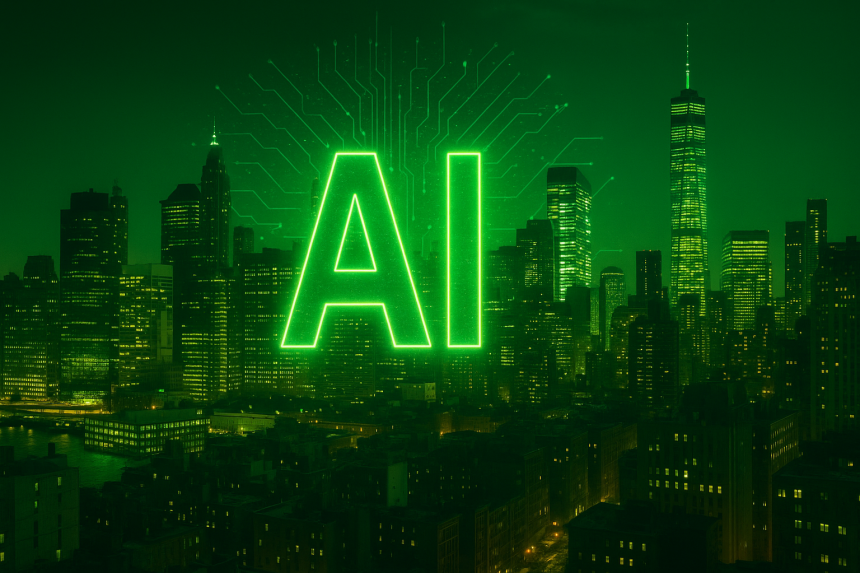
The integration of advanced AI in various sectors continues to raise pressing safety concerns. Anthropic, a company known for prioritizing safety, is now recruiting experts in chemical weapons and explosives to mitigate potential threats associated with AI technology misuse. OpenAI is also hiring specialists in biological and chemical risks, highlighting the industry’s recognition of safety issues. These developments occur as AI plays a more prominent role in military applications, presenting ethical challenges for companies navigating commercial ends and regulatory landscapes.

 ETH
ETH
 SOL
SOL
 BSC
BSC
 ROBINHOOD
 USDT
USDT
 AAPL
AAPL
Anthropic’s recent job listings illustrate a broader industry trend of hiring specialized expertise to enhance AI safety protocols. Other companies, including OpenAI, have made similar moves. Historically, there have been concerns about the dual-use nature of AI, wherein technology meant for civilian purposes is co-opted for military use without clear oversight. This scenario reveals the ongoing challenges posed by rapidly advancing AI capabilities and the varying responses from international institutions.
Where Does AI Safety Stand?
To address safety measures, Anthropic and other AI firms are turning to experts knowledgeable about weapons of mass destruction to preempt risks linked with AI advances. The inherent complexity of AI systems means that protective measures are crucial to prevent potentially harmful applications. AI systems’ growing capability renders them increasingly attractive to actors with malicious intent, creating an urgent need for rigorous testing and robust safeguards.

Are AI Companies Aligned with Their Safety Values?
Anthropic reiterates its commitment to safety, despite the inherent conflicts in its approach. Although its leadership emphasizes the importance of not using AI for autonomous weapons, the company’s Claude AI system is part of Palantir’s US military operations. These contradictions shed light on the multifaceted dynamics of maintaining safety while pursuing profitable defense contracts. Even so, Anthropic publicly stands against the unrestricted use of AI in military domains.
“Safety for us means constant vigilance and readiness to meet challenges head-on,” Anthropic co-founder Dario Amodei stated.
Beyond organizational declarations, the absence of global regulations exacerbates these contradictions. Current AI policy gaps allow companies to self-regulate, creating variance in safety standards and responsibility. Yet, companies must ensure that AI’s dual-use potential is managed, lest it become uncontrollable.
Open inquiries about AI’s role in handling sensitive information emphasize the complexity of technology integrated within military capacities. There is currently no overarching international treaty that addresses the nuanced demands of AI governance concerning weapons-related information. As AI technology proceeds unaddressed by clear regulations, industry players remain pivotal in shaping its trajectory.
Salaries for experts in AI safety positions reflect the criticality of their roles but highlight a concerning trend: talent attraction from government institutions to the private sector. It results in a potential downside of public agencies losing expertise in monitoring and regulating technology used in sensitive areas.
“AI governance calls for a structured approach before we venture further,” noted industry experts discussing the steps needed for effective implementation.
Ultimately, as AI companies navigate profit motives and ethical concerns, the regulatory absence creates different responses by nations and corporations alike. The global involvement in AI extends beyond technological innovation, demanding dedicated efforts toward comprehensive guidelines. The future will have to balance AI capabilities with global accountability to address existential safety concerns effectively.