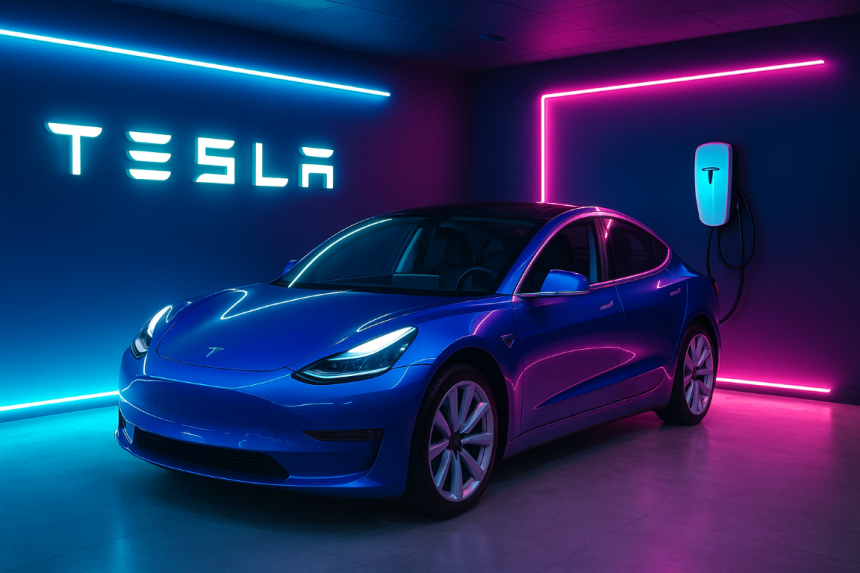
Tesla (NASDAQ:TSLA), the electric vehicle manufacturer renowned for its innovative approach, is currently facing challenges that are impacting its stock performance. Recent developments have led to a decline in Tesla stock, causing apprehension among investors. The market‘s reaction underscores the fragile balance between expectations and reality, as Tesla navigates a landscape marked by both promise and pitfalls. These dynamics are crucial to understanding the current state of the company.

 ETH
ETH
 SOL
SOL
 BSC
BSC
 ROBINHOOD
 USDT
USDT
 AAPL
AAPL
Tesla has experienced stock fluctuations in the past, often related to its ambitious targets and market strategies. Historical data reveals that while Tesla frequently grapples with delivery and execution hurdles, the company’s ventures into new technologies and markets have previously tempered investor concerns. Past efforts to expand its energy segment and autonomous vehicle technology have showcased periods where Tesla managed to stabilize despite operational challenges.
What Led to the Recent Drop in Tesla’s Stock?
Tesla’s recent stock slide can be attributed primarily to a delivery shortfall. The company delivered 358,000 vehicles in the first quarter of 2026, falling short of the anticipated 372,000 units. This marks the second consecutive quarter that Tesla has failed to meet delivery expectations, reminiscent of delivery declines in 2025. The absence of U.S. federal EV tax credits has added to the pressure, posing significant demand challenges.

How Does JPMorgan’s View Impact Tesla?
JPMorgan’s caution regarding Tesla’s execution risks stands out, with predictions of a 60% decline in Tesla’s stock receiving considerable attention. The bank’s analysis highlights concerns about the high valuation and potential errors in execution.
“Tesla’s current valuation leaves minimal room for mistakes,”
the bank noted, emphasizing the precarious nature of Tesla’s market position. Despite divisive opinions among analysts, JPMorgan’s bearish outlook carries substantial weight in investor perspectives.
Multiple factors contribute to Tesla’s execution challenges. Increased operational expenses, driven by AI and research initiatives, are straining the company’s financial resources. Meanwhile, geopolitical factors and brand image issues have hindered sales in regions like Europe. While products like Cybercab, Tesla Semi, and expansions in the energy sector present potential growth avenues,
“These initiatives come with significant execution risks,”
an analyst pointed out, capturing the delicate balance Tesla is managing.
Tesla’s performance is set against a broader economic backdrop characterized by market instability. Such conditions exacerbate concerns for high-beta stocks like Tesla. The pricing estimates in prediction markets underscore widespread caution among investors, with recovery probabilities appearing slim. As discussions evolve, the interplay between market sentiment and risk assessment remains focal.
Looking ahead, upcoming earnings reports are pivotal. They will provide critical insights into delivery shortfalls and guide strategic direction regarding new technologies and market expansions. Long-term investors remain attentive to Tesla’s prospects within the energy and autonomous driving domains, despite the company’s current valuation challenges.
Amid ongoing debates, Tesla continues to capture market attention. Investors are closely monitoring how the company addresses its pressing challenges and navigates the evolving global market. As the situation develops, stakeholders’ decisions will be informed by a complex matrix of prospects and concerns.