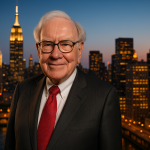
In a surprising twist of events, Sam Bankman-Fried, the former FTX CEO, has reached out to the White House with a request for a presidential pardon. Despite the severity of his conviction for fraud and money laundering, Bankman-Fried hopes for clemency as he serves his sentence. The recent developments highlight the widespread interest that cryptocurrency fraud cases have attracted, showcasing the intricate interplay between financial innovation and legal accountability.

 ETH
ETH
 SOL
SOL
 BSC
BSC
 ROBINHOOD
 USDT
USDT
 AAPL
AAPL
Bankman-Fried, currently serving a 25-year sentence, was accused by the Department of Justice of misappropriating billions in customer funds for personal use, political donations, and risky financial ventures. Comparatively, past similar convictions have prompted varied reactions, with some offenders receiving significant legal leniency. Bankman-Fried’s case continues to remind us of the unpredictability of judicial outcomes in high-profile financial scandals.
What Is Bankman-Fried’s Legal Strategy?
Currently, his legal team is actively seeking to overturn the conviction, although earlier attempts have been unsuccessful. Judge Lewis Kaplan denied Bankman-Fried’s motion for a new trial, emphasizing the lack of newly discovered evidence.

“None of the witnesses, for example, is ‘newly discovered,’” Kaplan firmly stated, dismissing the claims.
The efforts to introduce new witnesses have yet to influence his legal predicament.
How Has the Pardon Process Evolved?
Throughout his presidency, Donald Trump issued multiple pardons, often amidst criticism of a “pay-to-play” atmosphere, where intermediaries charged hefty fees to lobby for clemency. Bankman-Fried now seeks to join the ranks of those who successfully navigated the pardoning system.
The Financial Times reported that intermediaries have charged “up to $1 million” to appeal to the White House.
The system’s dynamics further complicate the already intricate path to securing a presidential pardon.
In another development linked to FTX, Fenwick & West law firm agreed to a $54 million settlement following allegations of facilitating the firm’s fraudulent activities. This legal settlement brings to light the broader repercussions for entities involved in such financial scandals, underscoring the accountability measures beyond individual perpetrators.
Looking at Trump’s earlier decisions to pardon crypto figures like Changpeng Zhao and Arthur Hayes, it is evident that high-profile crypto figures have received pardons before. These precedents may play a role in the optimism Bankman-Fried holds towards his pardon request.
The case underscores the complexities that arise at the intersection of emerging financial technologies like cryptocurrency and existing legal frameworks. For those engaging in the crypto space, the situation illustrates the ever-present risks of regulatory challenges.
Bankman-Fried’s bid for clemency exemplifies the evolving landscape of crypto regulation and the challenges of reconciling innovative financial systems with traditional legal mechanisms. As his pardon request waits in the wings, the case remains a significant discussion point in the ongoing conversation about the implications of financial crime within the rapidly-growing cryptocurrency sector.