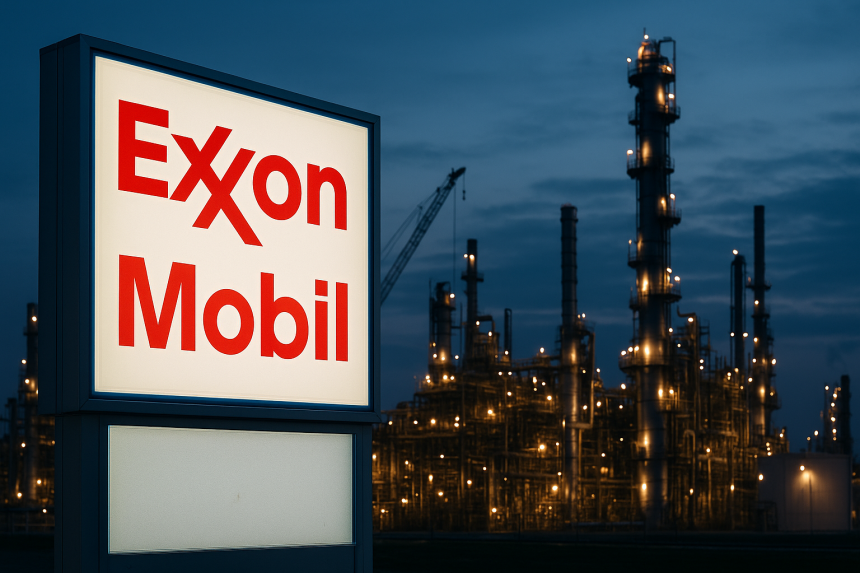
ExxonMobil, a leading player in the oil industry, finds itself at a critical juncture with recent fluctuations in oil prices opening up interesting opportunities for long-term investors. The company, known for its extensive structural cost advantages and extensive dividend history, stands out in the current market environment. Investors are examining how ExxonMobil’s strategic choices could position it well against the backdrop of a volatile crude oil market. By maintaining financial discipline and offering a substantial dividend yield, ExxonMobil becomes a significant topic for those looking at the energy sector through a deeper lens.

Looking back, ExxonMobil has seen numerous shifts in its operational strategies while maintaining a competitive stance within the industry. Earlier discussions centered around their initiatives to enhance efficiency and cost reduction, which have only intensified through recent years. Today’s analysis highlights similar themes, notably ExxonMobil’s aggressive focus on leaner operations and shareholder returns. The method remains consistent, focusing on long-term sustainability and growth even during market turbulence.
What Drives ExxonMobil’s Long-Term Strategy?
Having reached a significant milestone in reducing structural costs, ExxonMobil aims to further cut expenses with an eye towards optimizing production. The firm’s strategic plans highlight the targeted $20 billion in cost savings by 2030, reflecting careful resource allocation. Throughout its operations in regions like the Permian Basin and Guyana, ExxonMobil focuses on maximizing output while managing expenses. The company’s financial metrics, particularly its debt-to-equity ratio, demonstrate industry-leading performance. Adjusted earnings have continually surpassed expectations, reflecting robust operational efficiency.

How Does Dividends Play a Role in Investment Decisions?
Dividends have been a key factor for investors assessing ExxonMobil’s stock as a long-term investment. With 43 consecutive years of dividend increases, the recent hike to $1.03 per share quarterly reassures investors about the company’s commitment to stable returns. Alongside share repurchase programs, these dividends signify ongoing shareholder value creation. Investors regard ExxonMobil’s dividend policy as a testament to its resilient financial structure, offering consistent returns despite market conditions. Moreover, Exxon Mobil (NYSE:XOM)’s focus on buybacks adds another layer to their financial approach.
An exploration of ExxonMobil’s story wouldn’t be complete without acknowledging past market challenges, such as the 2020 oil crisis. Through decreased cash flow and substantial net losses during that year, ExxonMobil continued to fulfill dividend obligations, marking a performance that has been both scrutinized and respected. Analyzing their status through these stress tests provides investors with a broader understanding of strategic foresight and resilience.
In dynamic financial markets, ExxonMobil’s cautious approach appears justified. By maintaining a stable income amid market volatility, ExxonMobil demonstrates an appeal to investors looking for security and strategic industry positioning. Despite minor setbacks in challenging quarters, the emphasis on a well-managed infrastructure enables ongoing scrutiny from investors seeking reliable returns. Maintaining composure during volatile periods allows ExxonMobil to emerge as a trustworthy consideration for those interested in the energy sector’s potential.
Future prospects hinge on how ExxonMobil maneuvers within both oil and technology sectors. Investors will closely monitor external factors such as supply chain impacts and technological advancements shaping fossil fuel dependencies. Understanding ExxonMobil’s current strategy allows investors to make more informed decisions, leveraging market information to capitalize on existing opportunities that align with their financial goals. Emphasizing sustained strategy will likely guide investors navigating through ExxonMobil’s economic landscape.