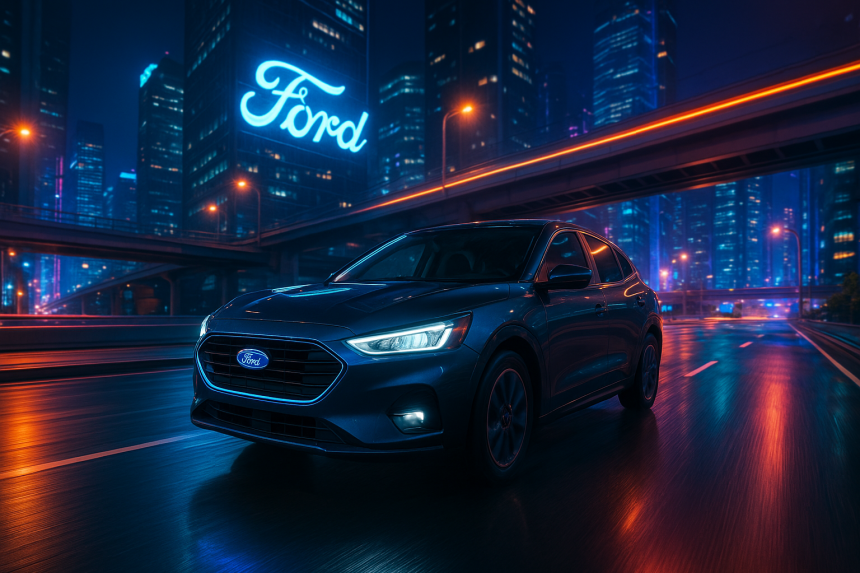
Recent developments indicate a challenging landscape for Ford as it navigates its role in the electric vehicle (EV) market. Despite being a longstanding figure in the American auto industry, Ford faces significant hurdles and strategic reconsiderations amid intense competition, particularly from global players like China. In an era where consumer preferences are diversifying and environmental concerns are at the forefront, how traditionally dominant automakers like Ford adapt could have far-reaching implications.

 ETH
ETH
 SOL
SOL
 BSC
BSC
 ROBINHOOD
 USDT
USDT
 AAPL
AAPL
In previous analyses, Ford’s electric vehicle strategy has been under scrutiny due to its mixed results and the competitive pressure from companies such as Tesla (NASDAQ:TSLA). While Ford had initially made a robust entry into the EV market, hopes were dimmed by strategic missteps and the continued dominance of their gas-powered SUVs and trucks. Despite EVs representing a growing share of the automotive future, Ford’s current reliance on traditional vehicles suggests a complex transition ahead.
Is Ford’s EV Strategy Sustainable?
Recent data suggests challenges for Ford’s electric vehicle ambitions. EVs accounted for about 5% of new car sales in the U.S. during the second quarter, with a notable decline in overall sales compared to the previous year. Despite aiming to expand its EV lineup, Ford remains heavily invested in gasoline vehicles, a space where it maintains significant market share.

Can Ford Compete with Global Players?
Facing competition from international markets, particularly China, has become a pressing concern for Ford. Chinese manufacturers have made strides in controlling a major portion of the global EV market. Ford’s strategic responses are critical amid discussions that American tariffs, which have historically protected domestic automakers, may not be sustainable.
Tesla’s market position illuminates the competitive gap Ford faces. Tesla’s extensive scale and innovative growth strategies have allowed it to capture a significant market cap, despite selling fewer vehicles globally than Ford. This disparity underscores the challenges faced by traditional manufacturers in keeping pace with newer, more agile competitors.
Economic factors also play a role in shaping the public’s automotive choices. Gasoline prices, for instance, heavily influence consumer behavior, and their volatility could impact the speed of the EV market’s growth in the U.S.
Bill Ford has addressed the inevitability of change and increasing competition, stating succinctly:
“We can’t expect to keep out the competition forever.”
His remarks hint at a need for adaptability and cautious optimism in navigating this evolving market environment. Yet, despite these pressures, Ford’s commitment to the EV path remains evident according to insider perspectives.
“We are still committed to the EV market, adapting our strategies accordingly,”
a Ford representative noted.
Continued adaptation and realistic adjustments to market demands are essential for Ford to secure its place in the automotive future. As environmental policies and consumer preferences increasingly shift, the strategic actions Ford decides to undertake will be watched closely by industry analysts and stakeholders alike.