
 ETH
ETH
 SOL
SOL
 BSC
BSC
 ROBINHOOD
 USDT
USDT
 AAPL
AAPL
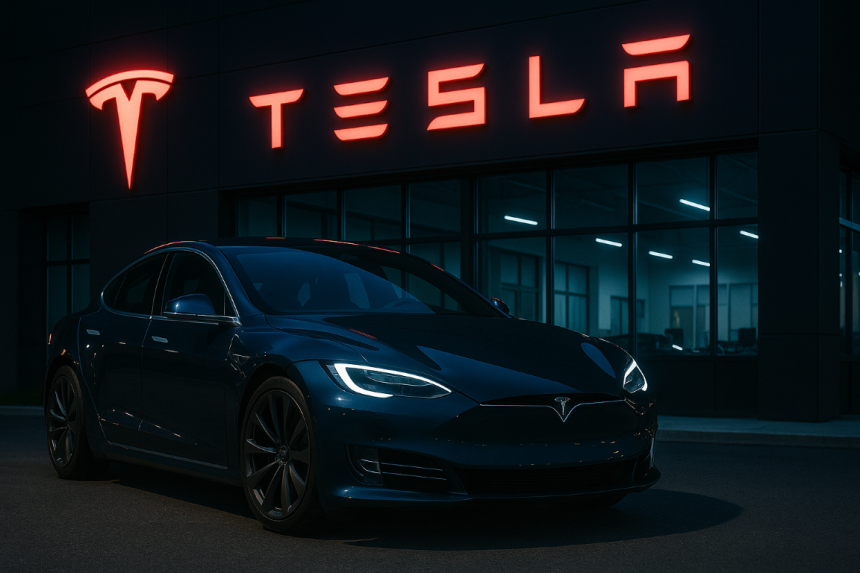
Waymo and Tesla (NASDAQ:TSLA), two giants in the autonomous vehicle industry, are engaged in a competitive race to dominate the market. However, the current landscape shows that Waymo is leading. Waymo’s strategy of accumulating extensive miles and enhancing regulatory acceptance gives it an edge over its competitors. Meanwhile, the company‘s partnerships with various automakers expand its reach, offering a stark contrast to Tesla’s singular approach. This development not only positions Waymo as a leader in this niche but also reshapes the dynamics of competition in autonomous driving.
Waymo’s consistent advancement is reinforced by its operational presence in more cities compared to rivals. Its head start in miles driven is a decisive factor, as regulatory approvals for autonomous vehicles operate on a city-by-city basis. This specific point bolsters its market position further, outperforming Tesla’s strategies in many aspects. Waymo’s focus on developing trust with local regulatory bodies has proved efficient, setting a high bar for competitors. In the past, Waymo’s approach of maintaining relationship with multiple global automakers contrasts with Tesla, which focuses solely on its in-house automotive ecosystem.

Why Is Waymo Leading in the Autonomous Vehicle Sector?
The success of Waymo in gaining regulatory approval ties directly to its strategic approach with local jurisdictions. By liaising with multiple cities and acquiring permissions to operate, Waymo ensures its vehicles meet legal standards and gain local trust. This advantage reinforces its burgeoning lead in the industry, demonstrating that Waymo’s comprehensive planning and foresight are key contributors to its leadership position.
How Do Waymo’s Partnerships Influence Market Position?
Waymo’s open-platform strategy, allowing collaborations with various car manufacturers, enhances its market penetration. This flexibility differs significantly from Tesla’s business model, drawing a parallel to the tech industry, likening Waymo to Android’s universality compared to iOS’s exclusivity. Such a strategy not only promotes rapid expansion but also showcases Waymo’s adaptability across different automotive brands.
According to industry discussions, Tesla’s singular focus on its own vehicles may limit its expansive reach. Whereas, Waymo’s strategy of partnering with diverse manufacturers broadens its opportunities, potentially leading to faster global uptake. Tesla, while possessing advanced technology, finds itself needing to adjust strategies to compete effectively with Waymo’s widespread adoption approach.
Waymo indicates, “We are expanding our presence globally through strategic partnerships with major automotive brands.” This showcases the potential for Waymo’s system to be embedded in numerous vehicles, unlike Tesla’s proprietary approach.
Tesla’s spokesperson stated, “Continuing to develop our technology within our own ecosystem ensures quality and consistency.” However, Tesla’s lack of external partnerships portrays a more centralized focus on in-house development.
The strategic position of Waymo, with its platform-agnostic approach, offers multiple advantages including rapid deployment and diverse product integration. This may redefine the landscape within the autonomous vehicle industry, encouraging competitors like Tesla to explore more inclusive strategies. Analysts note that while Tesla remains a significant player, Waymo’s adaptable model may yield faster results in expanding autonomous technology across a variety of vehicles globally.