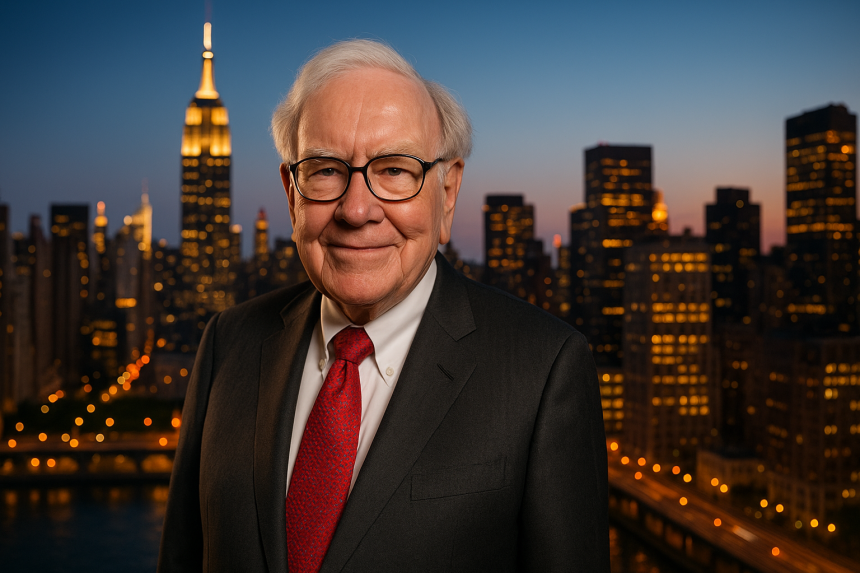
Warren Buffett, one of the world’s most renowned investors, recently announced a significant change in his philanthropic strategy, marking an end to his longstanding donations to the Bill & Melinda Gates Foundation. The decision, influenced by a reevaluation of personal and family factors, highlights Buffett’s evolving priorities in wealth distribution. This shift in his approach reflects a broader trend among high-net-worth individuals considering family legacy and personal ethics in their charitable endeavors.

 USDT
USDT
 AAPL
AAPL
Buffett’s decision not to include the Gates Foundation in his recent donation of nearly $6 billion worth of Berkshire Hathaway (NYSE:BRK.A) stock has intrigued many observers. Historically, Buffett pledged substantial support to the Gates Foundation, having donated over $47 billion since 2006. However, recent developments concerning Gates’ ties with Jeffrey Epstein have prompted Buffett to reconsider this arrangement.
“While it’s distasteful, while he made mistakes, I made mistakes,”
Buffett commented, alluding to the complex dynamics that influenced his decision.

How Did Buffett’s Children Influence This Decision?
The influence of Buffett’s children on this strategic shift is notable. As Buffett ages, with his eldest child Susie nearing 81 by 2034, the responsibility of managing his wealth becomes more pressing. Buffett has empowered his children to oversee his charitable intentions, focusing on family foundations such as the Susan Thompson Buffett Foundation, Sherwood Foundation, Howard G. Buffett Foundation, and NoVo Foundation.
Why Is Buffett Accelerating His Donation Timeline?
Buffett has also altered the timeline for distributing his Berkshire shares. Previously slated for a posthumous distribution, the shares are now planned to be allocated by the end of 2034. This change reflects Buffett’s consideration of his children’s advancing ages and the heavier burden they might shoulder in distributing his wealth.
The decision’s context is further enriched by Buffett’s reflections in his final letter as CEO before handing over to Abel. Acknowledging the necessity to
“reevaluate my whole situation,”
Buffett steers a course prioritizing family legacy and ethical reflections, a decision somewhat informed by Gates’ undertakings investigated by lawmakers but no criminal accusations surfaced.
As philanthropists increasingly tailor their giving strategies, Buffett’s action might hint at future patterns among billionaires reshaping philanthropy according to their family’s vision. Not only does this advance their personal values, but it also helps to establish lasting family legacies in the charitable sector significantly.
In reconsidering his donation focus, Warren Buffett underscores the nuanced interplay between personal values, family considerations, and external pressures in high-net-worth philanthropy. The implications of Buffett’s revised strategy extend beyond his personal domain, offering a blueprint for other wealth holders contemplating their philanthropic legacies. By facilitating this generational transition in philanthropy, individuals can not only align their charitable efforts with personal beliefs but also potentially impact the broader philanthropic landscape. Buffett’s case illustrates a practical shift toward involving heirs’ perspectives, which might inspire others to rethink their charitable commitments.