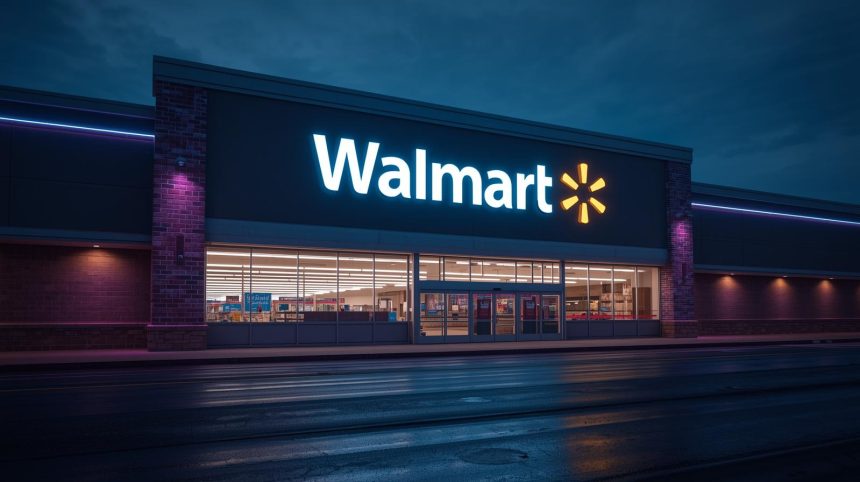
Walmart (NYSE:WMT) is expanding its advertising initiatives by restructuring its operations into a unified framework, driven by the need to enhance customer interactions across various platforms. This strategic approach emphasizes coordinated tools, technologies, and platforms within its Walmart Connect and Sam’s Club operations. By focusing on flexibility and innovation, Walmart aims to cater to the dynamic needs of consumers globally, effectively bridging its domestic and international markets. During a gathering of industry experts in Cannes, France, Walmart announced changes including the rebranding of Sam’s Club Member Access Platform (MAP) to Sam’s Club Connect, reflecting its integrated advertising vision.

 ETH
ETH
 SOL
SOL
 BSC
BSC
 ROBINHOOD
 USDT
USDT
 AAPL
AAPL
Previously, Walmart’s advertising efforts were largely segmented, operating independently to address market-specific demands. As of now, Walmart Connect continues to show significant growth, with advertising revenue climbing by 37% recently, highlighting Walmart’s increasing influence in the retail advertising space. A report revealed Walmart’s belief that traditional retail models would serve as pathways to more profitable ventures, signaling a shift from dependency on direct merchandise sales.
How Does the Unified Advertising Framework Function?
Walmart has designed its advertising units to operate separately yet remain connected through shared strategic intentions. This approach allows for a tailored experience in individual markets while ensuring consistent growth patterns. Walmart’s aim is to better serve customers by understanding their preferences across various touchpoints, such as online shopping, physical stores, and membership services. The blend of its operations is intended to create more robust and synchronized advertising experiences.

Is Economic Pressure Affecting Walmart’s Strategy?
Emerging economic pressures have indeed defined Walmart’s recent moves. As consumer spending habits shift towards essentials like housing and healthcare, companies like Walmart are compelled to innovate in advertising and marketplace solutions. By capitalizing on data monetization and membership-based models, Walmart is seeking avenues to sustain growth despite these challenges.
Seth Dallaire, Walmart’s Chief Growth Officer, emphasized the company’s unique position to integrate various customer touchpoints at an unparalleled scale.
“The future of commerce media isn’t about advertising in a single channel but understanding and serving customers and members wherever and however they choose to shop,”
Dallaire stated. This model reflects Walmart’s attempt to blend more personalized interactions with scalable operations.
According to Walmart, the U.S. division of Walmart Connect reaches an extensive customer base weekly, underscoring the opportunity for comprehensive outreach strategies. The company’s international outreach spans countries like Mexico, Canada, and Chile, all benefitting from this unified approach.
“Walmart has a unique advantage because we interact with customers everywhere,”
Dallaire added, underscoring the significant scale at which Walmart operates.
As Walmart continues to evolve its advertising strategy, its alignment with global markets and adaptive platform may offer insights into the changing landscape of retail. The shift underscores an important trend where major players look beyond traditional sales models towards greater system control in product marketing and purchasing.