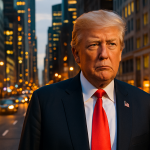
The United States has introduced a fresh series of tariffs on imports from 60 partners, including major trade entities such as the European Union and China. This action by President Donald Trump’s administration follows the Supreme Court’s dismissal of his earlier tariff regulations. The new tariffs, which range from 10% to 12.5%, are implemented under Section 301 of the Trade Act of 1974. These measures are aimed at countering the alleged failure of several nations to prevent products resulting from forced labor entering global supply chains.

 ETH
ETH
 SOL
SOL
 BSC
BSC
 ROBINHOOD
 USDT
USDT
 AAPL
AAPL
The United States has utilized Section 301 in the past for similar trade measures. Previous tariffs imposed by Trump’s administration, dubbed “Liberation Day” tariffs, were declared as overstepping presidential powers. Now, leveraging Section 301 allows new tariffs under the pretext of protecting US commerce from unfair foreign practices. Treasury data reveals a notable increase in tariff refunds, signaling a shift in the US’s approach to reclaim trade imbalances.
What Drives the New Tariff Strategy?
The fresh tariffs serve a dual purpose of addressing human rights issues and rectifying trade imbalances. Jamieson Greer, the US Trade Representative, emphasized these new duties aim to highlight the inadequacies of foreign nations in halting imports associated with forced labor. In his words,

“The United States has had a forced labor import ban for nearly a century, and rigorously enforces it. It’s well past time for our trading partners to do the same.”
This strategy reflects a shift from previous policies, focusing on sustaining trade regulations while reasserting US economic interests globally.
How Have Trading Partners Responded?
Diverse reactions from trading partners accompany this tariff reimplementation. While the European Union accepts the changes as mostly in accordance with the recent EU-US joint statement, countries like China perceive it as a politically charged move. Switzerland and Britain emphasize pre-existing agreements while addressing the broader impacts. Meanwhile, Australia and Brazil criticize the new tariffs as unwarranted, emphasizing a need for diplomatic negotiations.
Legal experts have expressed skepticism regarding the longevity of these newly imposed tariffs. Caroline Freund pointed out that the strategy is less about labor standards and more about reinstating the previous tariff structure. Legal analysts like Alan Wolff have highlighted potential presidential overreach, suggesting these tariffs might not withstand further court challenges, casting doubt over their sustainability.
The tariffs’ economic implications are projected to be cushioned by a broad exemption list, covering essential products like energy and certain food items. Nonetheless, businesses are expected to face heightened costs as they navigate a challenging trade landscape. Wendy Cutler highlights the potential shift in global trade relationships, as many governments may seek to lessen reliance on the US by forging new trade agreements.
For businesses, the administration’s expansion of exemption categories mitigates some disruption. However, the ongoing focus on tariffs underscores their centrality in US trade strategies.
“The focus will increasingly be on reducing dependence on the US through new trade agreements elsewhere,”
says Cutler. This measure stands as a testament to the administration’s persistence in upholding tariffs despite legal setbacks, signaling potential diplomatic tensions.
This comprehensive tariff strategy by the US reflects a reassertion of trade principles in response to a legal setback. While aiming to counter forced labor and maintain economic autonomy, the approach has sparked varied reactions across the globe. As businesses brace for increased import costs and trade dynamics shift, the longevity and effectiveness of this strategy remain uncertain. Key stakeholders will need to navigate this complex landscape while balancing economic and ethical considerations.