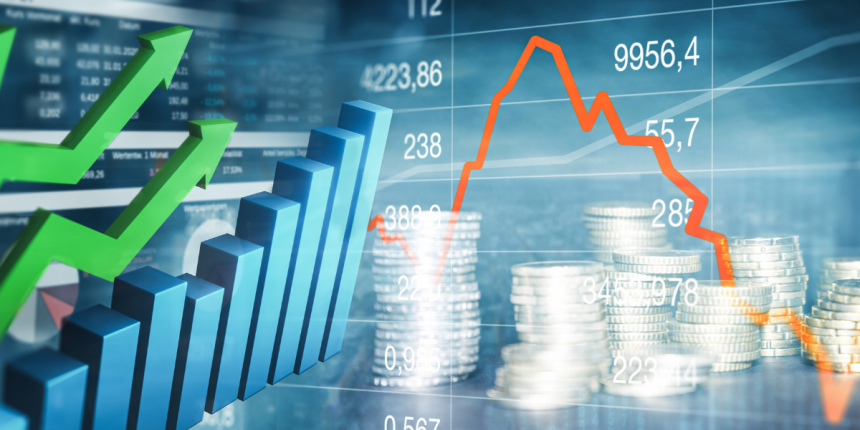
The financial markets are experiencing heightened volatility due to escalating tensions between the US-Israel and Iran, causing significant disruptions in the global oil supply chain. Investors are concerned about potential stagflationary pressures, which complicate the Federal Reserve’s monetary policy decisions. This uncertainty comes as small-cap and technology stocks show vulnerability amid rising oil prices and interest rates expectations.

 ETH
ETH
 SOL
SOL
 BSC
BSC
 ROBINHOOD
 USDT
USDT
 AAPL
AAPL
Recent years have seen the VIX, a gauge of market volatility, respond sharply to geopolitical tensions, much like the current situation. Prior events, such as the April 2025 shock, pushed the VIX to alarming levels, indicating a pattern where geopolitical conflicts directly impact investor sentiments and market stability. The persistent volatility reflects not just the market’s sensitivity to geopolitical developments but also its anticipation of potential economic repercussions.
Will Oil Prices Stabilize Anytime Soon?
As of now, the global oil market remains unstable due to continued conflicts affecting major shipping routes like the Strait of Hormuz. Upcoming economic forecasts are reluctant to suggest near-term stabilization, a concern echoed by financial analysts who caution against making optimistic predictions prematurely.

What Are America’s Next Economic Moves?
Uncertainty is high as the US considers how to address the dual threat of escalating oil prices and disrupted supply chains. The possibility of postponing rate cuts reflects the complex economic environment that policymakers must navigate, with inflationary and recessionary indicators complicating any straightforward approaches.
Despite the prospects of a skeptical market environment, investor sentiment remains tentative. Economic forecasts are continually adjusted in response to new geopolitical developments, and the potential for renewed inflation is affecting both monetary policies and market strategies. Deutsche Bank highlights this by stating,
“The problem is that investors are increasingly pricing in a more protracted conflict that causes extensive economic damage.”
Furthermore, while the VIX’s climb indicates fear in the market, the historical pattern suggests that there could be opportunities for returns in the future. Financial strategists often see periods of elevated volatility as opportune moments for careful market entry, especially if geopolitical tensions subside.
According to a strategist, “Any upside surprise in PCE would confirm the stagflationary narrative and likely push the VIX higher.”
The current geopolitical climate serves as a reminder of the complex interdependencies between political actions and market reactions. Investors and policymakers are keenly observing unfolding events, knowing that swift adjustments may be necessary as the situation evolves.