
 ETH
ETH
 SOL
SOL
 BSC
BSC
 ROBINHOOD
 USDT
USDT
 AAPL
AAPL
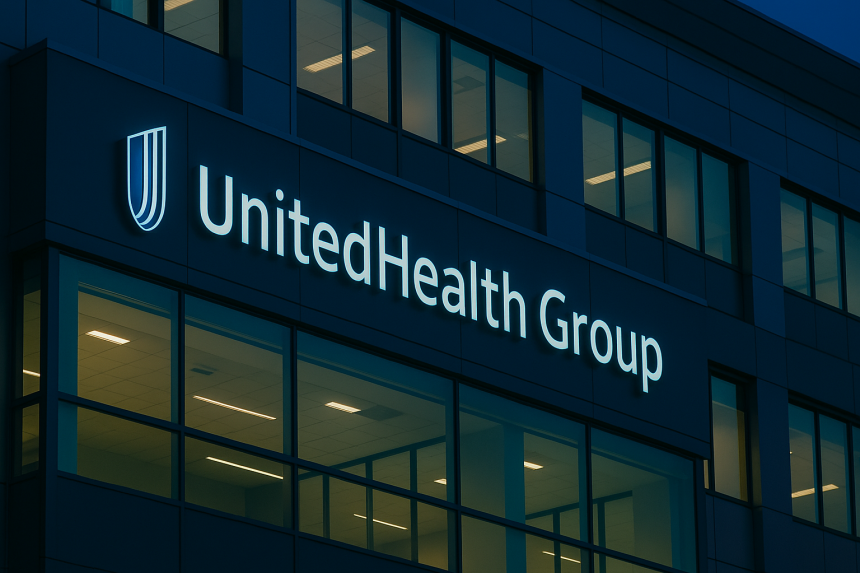
UnitedHealth, a key player in the healthcare sector, finds itself under scrutiny as it navigates through complex financial landscapes. Investors remain cautious, with stock performance facing volatility. The once uphill trajectory of UnitedHealth appears shaky, leading analysts to deliberate on possible investment avenues. The current state of affairs calls into question the sustainability of its growth, urging a closer look into recent fiscal readings and their implications.
Previously, UnitedHealth displayed a strong financial foothold, with steady revenue growth fueling investor optimism. However, current market conditions have shifted this perception. Plummeting stock values reflect broader market unease, casting doubt upon future profitability. The aging population has historically set a robust backdrop for growth, yet current financial strains prompt a reassessment of long-term viability under evolving market conditions.

How is UnitedHealth Finding Value in Market Struggles?
Amidst notable declines, UnitedHealth seeks to balance losses with strategic investment opportunities. Despite a share price collapse resulting in a low price-to-sales ratio of 0.58x, some see potential for long-term gains. This investor psyche considers the prevailing market undervaluation as a potential springboard for future recovery, should external pressures subside.
What’s Impacting UnitedHealth’s 2025 Financial Outlook?
UnitedHealth’s 2025 financial performance faced significant challenges, influencing their strategic financial outlook moving forward. A decline in adjusted earnings from operations to $21.7 billion from the prior year’s $34.4 billion highlights financial hurdles. The year saw UnitedHealth grappling with a cyberattack impacting net earnings and restructuring costs that further strained financials.
The Medicare Advantage plan payments remain a focal concern, with proposals of a mere 0.09% increase in rates for 2027 sparking market skepticism. Although the reaction was tepid, foresight calls for observing market movements closely. These numbers might present opportunities for strategic investors aiming towards a future market stabilization.
Despite recent setbacks, UnitedHealth remains committed to navigating these challenges. “We’re dedicated to reinforcing investor relations as we move forward,” the company indicates.
Given the prevailing economic climate and projected financial forecasts, it remains important for UnitedHealth to strategically navigate these turbulent periods. With governmental rate proposals still pending, their impact remains speculative.
Long-term strategies focusing on mitigating risk and strengthening financial fundamentals are essential for UnitedHealth to foster potential growth. Observing these developments and strategic actions in response to financial stimuli is essential for stakeholders assessing UnitedHealth’s investment potential.
In the broader perspective, the stock outlook hinges on how effectively UnitedHealth can recapture market confidence through value-focused strategies. Addressing immediate market concerns while leveraging demographics can position UnitedHealth for possible recovery. Consistently monitoring market fluctuations alongside proactive strategic interventions will be vital for robust financial health over the coming years.