
 ETH
ETH
 SOL
SOL
 BSC
BSC
 ROBINHOOD
 USDT
USDT
 AAPL
AAPL
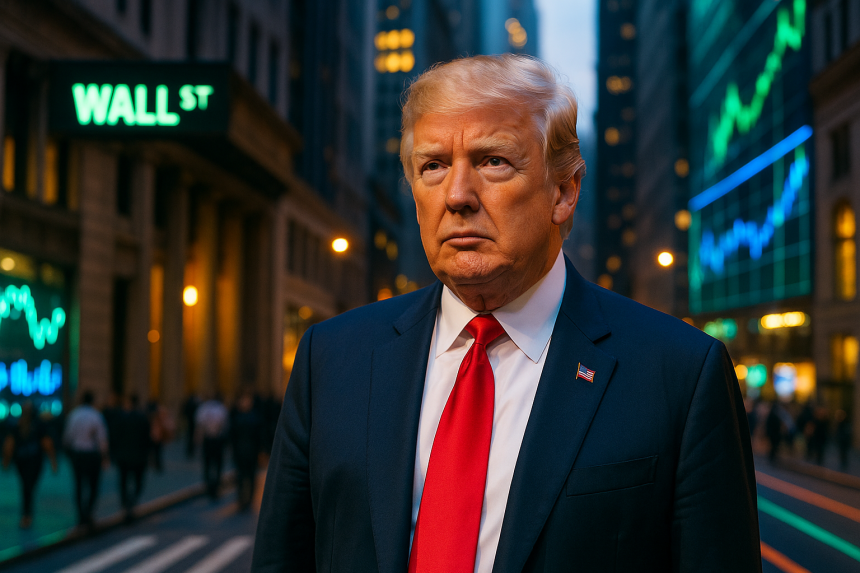
The year 2025 has seen a considerable reduction in the financial penalties imposed by American authorities for money laundering and sanction breaches. A report by the Financial Times reveals a significant 61% dip in fines, linked to the Trump administration’s lenient regulatory stance. This approach underscores the administration’s preference for a business-friendly environment. The financial landscape worldwide, however, moves in a different direction, with several countries escalating their enforcement actions against financial crimes.
How Have Other Countries Responded?
Globally, financial penalties showed an increase in several nations, notably France, Switzerland, the UK, Canada, and the UAE. Although this uptick did not fully counterbalance the reduction in the U.S., it reflects a more stringent international stance towards financial misconduct. The total fines globally for such violations fell by 19% to $3.7 billion. In contrast, the previous financial strategies in the U.S. displayed a more aggressive regulatory approach, holding companies accountable with hefty fines amounting to $4.3 billion in the previous year.

What Factors Influenced the U.S. Decline?
The decline in U.S., penalties might be attributed to several factors. Prominent among them is the policy direction mandated by President Trump towards deregulation and lenient financial oversight. Additionally, the administration’s support of the cryptocurrency market, along with job cuts and an extended government shutdown, could have contributed to diminished enforcement. The regulatory shift becomes apparent when reviewing actions against institutions like TD Bank, which faced significant fines in previous years.
Daniel Stipano, a law expert from Davis Polk, provides further insight into the situation:
“There has definitely been a decrease in the number and magnitude of AML-based enforcement actions in the US during the past year.”
Moreover, these trends point towards an intentional shift in policy focus. According to Stipano, the previous high figures were partly due to exceptional cases, such as the $3 billion penalty imposed on TD Bank.
Rory Doyle of Fenergo highlights additional aspects affecting the enforcement landscape:
“The decline in penalties could also be related to the 43-day government shutdown, as well as job cuts at many regulatory bodies.”
This backdrop has provided a context in which financial crimes might receive less scrutiny than before.
Future regulatory frameworks could see the Financial Crimes Enforcement Network (FinCEN) gaining supremacy in oversight matters. This move aims to ensure that regulatory focus aligns with substantive compliance rather than narrow technicalities. The U.S. Treasury’s proposal to empower FinCEN may provide regulators with a suite of tools to identify and mitigate risks more effectively.
Jonathan V. Gould of the Office of the Comptroller of the Currency (OCC) expressed a commitment to continuing reforms in anti-money laundering policies into 2026, highlighting ongoing efforts to reassess regulatory priorities. As the global financial regulatory environment evolves, these initiatives underline the need for a balanced approach to oversight and compliance.
The reductions in fines by American regulators indicate a shift in the nation’s regulatory posture under the Trump administration. Although reflecting a global trend of increased vigilance in some regions, the U.S. appears to diverge from this pattern by prioritizing a less stringent business environment. How this will affect financial crime prevention efforts remains a critical question for the future.