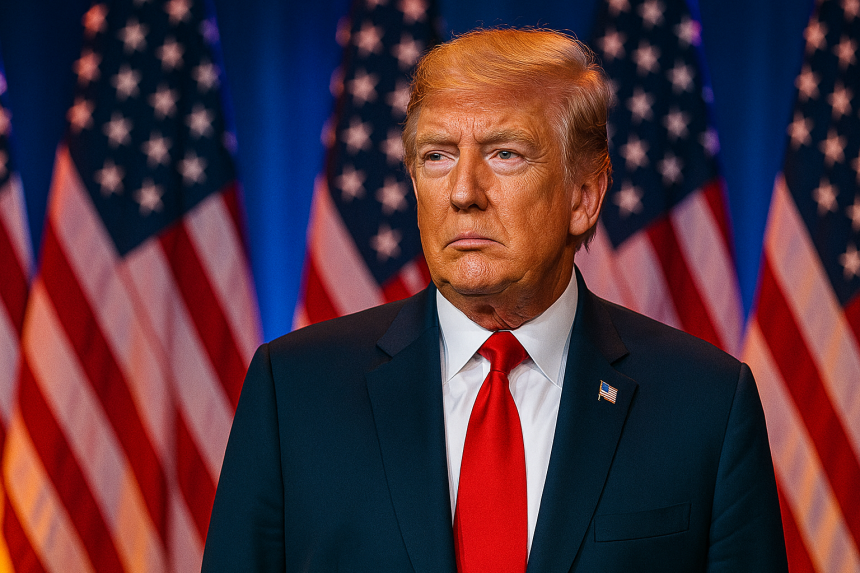
The dynamics of the financial market in the first quarter of 2026 manifested unique trends, partly highlighted by the actions of President Donald Trump. While broader market pullbacks posed challenges, Trump’s trading activities, with him executing 3,642 trades, brought attention. Such a volume of trades from a sitting president without placing assets in a blind trust is notable and raises questions of policy and personal investment intersections.

 ETH
ETH
 SOL
SOL
 BSC
BSC
 ROBINHOOD
 USDT
USDT
 AAPL
AAPL
Historically, most U.S. presidents have used blind trusts to manage their personal financial interests upon taking office. This practice has served to prevent conflicts between presidential duties and personal financial interests. However, President Trump’s direct control over his diversified portfolio deviates from this practice. Such an arrangement necessitates a closer examination of both potential conflicts of interest and broader market implications. Trump’s trading acumen and strategies during market selloffs demonstrate his approach to leveraging market declines as opportunities rather than setbacks.
What Do the Numbers Suggest?
The financial disclosure, reported through a 113-page OGE Form 278-T, details an intense trading period with an average of 58 transactions each trading day. In total, these transactions amounted to an estimated portfolio turnover between $220 million and $730 million, showcasing significant engagement in a short timeframe. Trump’s trading actions display a strategic focus on broad market positions, possibly highlighting confidence in certain sectors amidst economic uncertainties.

How Are Stocks Like Nvidia (NASDAQ:NVDA) and Microsoft (NASDAQ:MSFT) Affected?
High-profile purchases included companies such as Nvidia, Microsoft, Amazon (NASDAQ:AMZN), Broadcom, and Apple (NASDAQ:AAPL). The transactions highlighted substantial investments in technology giants, with estimates suggesting Microsoft purchases between $2.4 million and $8.1 million. These decisions underscore Trump’s strategy of favoring mega-cap tech stocks during downturns, potentially influencing the stock valuations through astute timing and market understanding.
The majority of the sales conducted stayed within the $1,000 to $100,000 range, signifying portfolio maintenance rather than sweeping changes. This aspect of the transaction record suggests a methodology of minor adjustments instead of radical shifts, intent on maintaining broad market exposure while capitalizing on select opportunities.
Trump’s approach differs from the norm, as previous presidents historically segregated their financial actions from their political roles through blind trusts. This distinction prompts scrutiny since each policy decision carries potential market weight. For example, tariff impositions or regulatory changes might inadvertently affect stock values in which he has personal interests.
Nevertheless, these activities remain within legal boundaries, as explicit evidence of conflict or misuse isn’t present. Investors, and more importantly, political observers, must recognize the unique position this creates, warranting vigilance and understanding of potential market ripples.
Looking ahead, the implications of such active trading and direct portfolio management continuously evolve. An increased awareness of market dynamics and political nuances becomes crucial for investors seeking insight into the intersection of policy and personal investment.