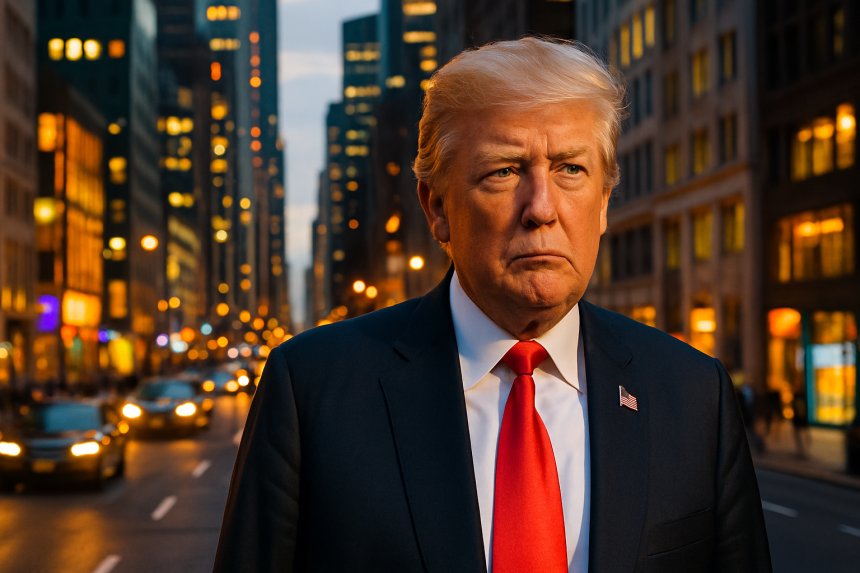
Global financial markets are witnessing a wave of optimism as U.S. President Donald Trump intimated the possibility of a resolution to the conflict with Iran, with potential talks resuming over the weekend. Despite the uptick in investor confidence, there are emerging concerns regarding economic data that may indicate slowing business activity and rising inflation. The intersection of geopolitical events and economic performance continues to shape the financial landscape, prompting closely watched moves in political and economic domains.

 ETH
ETH
 SOL
SOL
 BSC
BSC
 ROBINHOOD
 USDT
USDT
 AAPL
AAPL
Examining different financial narratives from previous discussions underscores recurring themes of geopolitical tensions affecting market sentiments while political events in Washington remain pivotal. Continued speculation regarding Federal Reserve leadership has been a longtime focal point, affecting interest rate expectations. With energy prices fluctuating due to Middle Eastern conflicts, past trends have shown that even the mere potential for a diplomatic resolution could significantly alter market dynamics, similar to current observations.
How Will the Fed Leadership Influence Markets?
Investors are paying close attention to the upcoming Congressional hearing for Trump’s Federal Reserve chair nominee, Kevin Warsh. His confirmation is anticipated to provide direction in an environment where the President advocates for reduced interest rates amidst inflation. Trump’s recent comments have intensified scrutiny on current Fed Chair Jerome Powell.

The president stated, “If Powell does not step down after his term as chair ends on May 15, I might consider removing him from the board.”
With energy costs driven higher by the ongoing conflict, interest rate strategies are under the microscope.
Will Economic Data Temper Market Optimism?
Expectations revolve around the upcoming corporate earnings reports and economic data, which could reveal consumer behaviors amidst increasing prices. Companies like Tesla (NASDAQ:TSLA) are in focus as their financial results will provide insights into corporate health in this economic climate. March’s retail sales figures are expected to shed light on consumer spending trends. The interdependency between economic indicators, investor sentiment, and geopolitical developments continues to create a complex market narrative.
Investor reactions remain positive with equity markets reflecting optimism in resolving the Iran situation. Notable stock indices, such as the S&P 500 and Japan’s Nikkei, have reached significant highs, suggesting hope for an economic scenario reminiscent of pre-conflict conditions. However, the cautionary approach in oil markets presents a parallel narrative. With Brent crude prices hovering near $100 per barrel and potential logistical challenges if the Strait of Hormuz isn’t reopened, energy-related economic impact assessments remain cautious.
Central banks across Asia and emerging markets face challenges amidst rising energy costs tied to the conflict’s ripple effects. The Chinese central bank, for instance, is likely to maintain its current loan prime rate. Signs of slower growth emerge due to increased costs impacting profits and demand, echoing sentiments observed in other emerging economies. Moreover, the financial stability of countries like Indonesia and the Philippines is being tested under these global economic pressures.
The ongoing dialogue between geopolitical tensions and economic data continues to shape the global market landscape. As developments unfold, scrutiny of leadership decisions and economic strategies will persist. U.S. policies and a potential shift in Fed leadership are poised to influence both domestic and international financial climates, with interest rate policies remaining a critical reflection point for many stakeholders in today’s interconnected markets.