Amid national security concerns, developments involving Anthropic, an AI startup, have taken a significant turn. Initial White House regulations demanded the company secure government approval for international engagements concerning its AI models, Fable 5 and Mythos 5. However, recent assessments indicate a potential shift in the perceived threat level, reflecting the evolving nature of security assessments in the field of AI. As global competition in artificial intelligence heightens, decisions like these gain broader implications for the industry’s dynamic landscape.

In recent years, Anthropic’s interactions with governmental agencies have evolved. Initially marked as a potential risk due to the Pentagon’s objections over the use of its AI for mass surveillance or autonomous weaponry, the company’s stance has often intersected with regulatory frameworks. A recent clash led to the Defense Department labeling Anthropic a supply chain risk, a designation the company is actively contesting. In contrast, Trump’s latest comments indicate a softened stance, offering a reprieve for the firm.
How Did Trump’s Perspective Change?
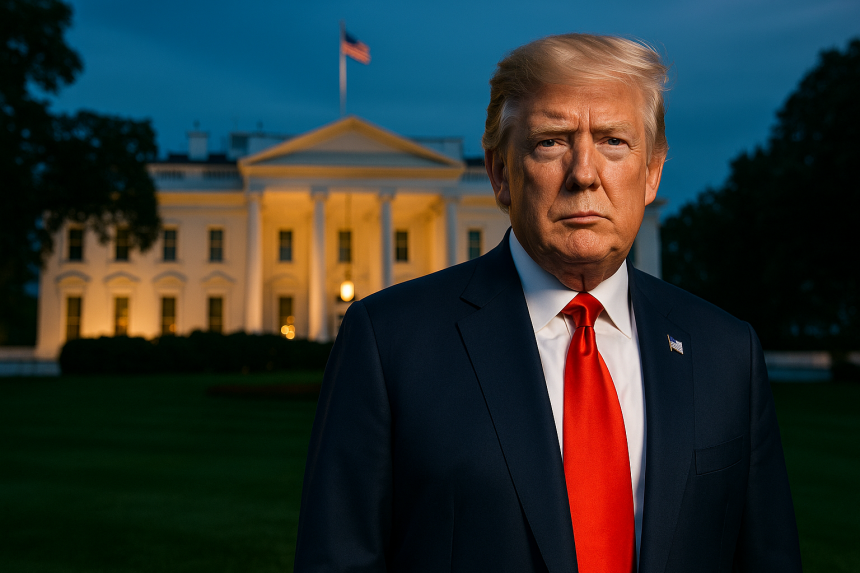
President Donald Trump expressed a reconsideration of Anthropic’s security threat status following the company’s response to White House directives. In a recent interview, Trump acknowledged Anthropic’s swift compliance, describing their actions as “very responsible.” When questioned about the current level of threat posed by the company, Trump replied, “Well, not now. But a week ago, maybe.” This shift indicates a nuanced view towards Anthropic’s operations amidst global AI advancements.

What Lies Ahead for Anthropic?
Trump hinted at a reluctance to impose further governmental controls on Anthropic, specifically in the context of the Defense Production Act. He noted, “I would, but I’m not sure I have to do that. I think so far it’s been very responsible.” Speculation arises whether the U.S.’s competitive edge over China in AI plays a role in this decision, as the administration weighs technological advancements against national security concerns.
Amid these controversies, Anthropic also faces internal challenges with its billing strategies. The company decided to delay a transition to token and credit-based billing for its Claude Agent SDK, a decision driven by developer and customer feedback regarding potential cost unpredictability. This move poses questions about the AI industry’s financial sustainability, as clients evaluate potential expenses linked to AI implementations.
The evolving demands for AI’s deployment across sectors like customer service and workflow automation highlight the complexities companies face. Organizations expect AI capabilities to align with operational and financial feasibilities, balancing sophisticated functions with manageable costs.
Reflecting on recent news, Anthropic’s journey signifies its critical position in the AI field, navigating both regulatory scrutiny and market dynamics. These developments emphasize the ongoing need for a careful balancing act between innovation and regulation within emerging technologies. As AI’s role broadens across industries, stakeholders must continuously evaluate practices that ensure both advancement and compliance.
In summary: