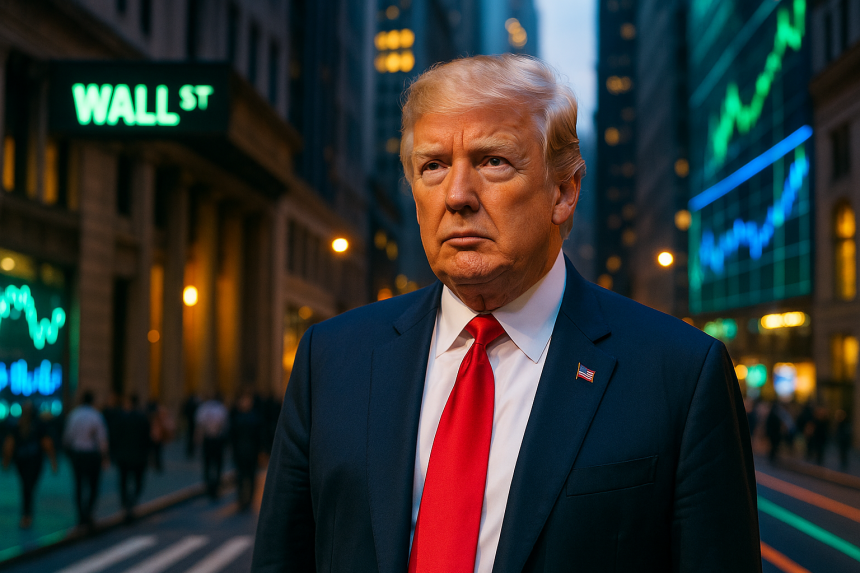
In recent weeks, the geopolitical landscape has witnessed a significant shift due to rising tensions involving the United States, its NATO allies, and Iran. At the heart of these developments is President Donald Trump’s unilateral military decision in Iran, leaving allies scrambling to address the fallout. The escalating situation is bringing to light key challenges within longstanding alliances and impacting global economic stability. The narrative showcases a complex interplay of international relations, highlighting both the intricate dependencies and the potential for significant geopolitical upheaval.

 ETH
ETH
 SOL
SOL
 BSC
BSC
 ROBINHOOD
 USDT
USDT
 AAPL
AAPL
Historically, the US has been a central pillar in NATO, offering military and economic support that forms the backbone of the alliance. Recent actions by the Trump administration, however, have put this role under scrutiny and raised questions about the future of collective defense. Traditionally, NATO’s strength has been its unity and shared decision-making process. With Trump now urging the dismantling of NATO over a lack of support from allies for the US stance on Iran, the alliance’s core principle is being tested.
What Prompted This Diplomatic Shift?
President Trump’s unexpected military action against Iran without consulting NATO allies marked a pivotal moment. European leaders initially sought diplomatic routes following Iranian counter-attacks, but Trump’s demands for active military cooperation soon strained these relationships. The Trump administration’s approach is seen as straining NATO’s foundational concept—a collective defense organization focused on protecting against external attacks rather than instigating unendorsed military operations.

Repercussions of Trump’s Strategic Approach?
Trump’s critical remarks to NATO partners, particularly on social media, have exacerbated tensions. His statements dismiss allies’ reluctance to support US military efforts due to legal constraints, framing it as a deficiency of courage. Such confrontational language further highlights a strategic misalignment within the alliance and raises questions about the wisdom of alienating key allies in managing international crises. Notably, Trump’s vision of NATO contrasts with the established mutual defense agreements that have traditionally guided the alliance’s operations.
This evolving situation reflects broader implications for global politics, especially as Trump’s approach to NATO diverges from historical norms. Secretary of State Marco Rubio acknowledged challenges in maintaining strong alliances, suggesting potential reevaluation of US commitments post-conflict, which underscores the stakes involved. NATO’s credibility is now in question, with US commitments perceived as uncertain, which in turn affects its strategic reliability.
Trump told The Telegraph that the idea of leaving NATO is “beyond reconsideration.” He emphasized, “Go get your own oil.”
One immediate consequence is the financial strain on Europe should it need to independently bolster its defense capabilities. Military hardware investments, crucial amid dwindling energy security, may significantly impact fiscal stability and economic structures, affecting social welfare provisions historically safeguarded by US military protection. The looming burden of upscaling defense infrastructure places profound economic pressures on European governments already grappling with energy market volatility following geopolitical unrest.
If a US withdrawal from NATO becomes reality, far-reaching economic and political repercussions are anticipated. The credibility of American security assurances impacts the global standing of the dollar and the reliability of international trade relationships dependent on US-led stability. Countries across East Asia, heavily reliant on US commitments, are now closely monitoring these developments, concerned about potential ripple effects on their regional security dynamics.
Overall, the potential destabilization of NATO is watched closely by nations like Russia and China, which stand to gain from a fracturing Western alliance. These geopolitical adversaries welcome distraction and discord within NATO as it presents strategic opportunities elsewhere. Thus, the ongoing tensions illuminate key risks for international order stability, demanding reassessment by global policymakers and stakeholders focused on maintaining balance in an interconnected world.