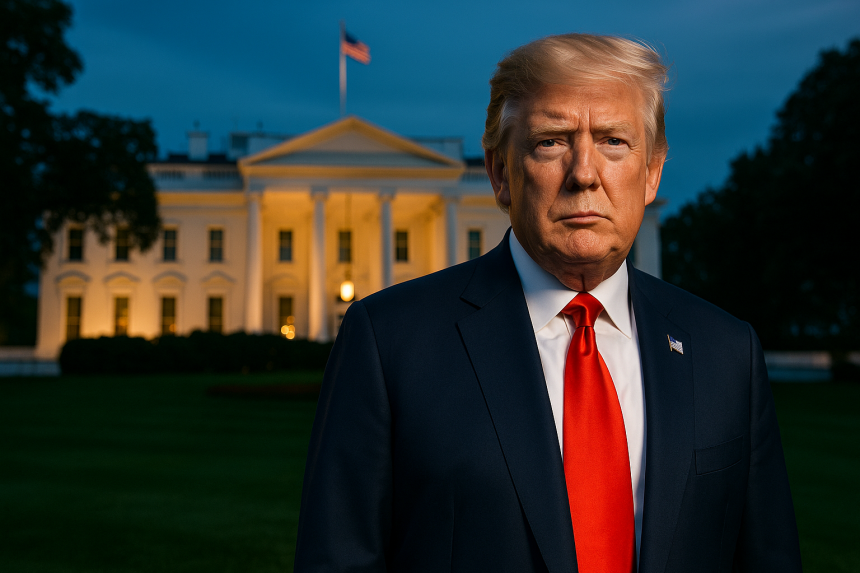
The Trump administration is navigating a challenging economic landscape as it engages in complex negotiations with Spirit Airlines. The budget airline, seeking a crucial financial boost, has been presented with a final bailout offer amid pressure to maintain its flying operations. Key figures indicate Spirit requested a $500 million lifeline from the U.S. government as it manages the risk of ceasing operations. A keen focus is on the intricacies of the deal as discussions continue in Washington.

 ETH
ETH
 SOL
SOL
 BSC
BSC
 ROBINHOOD
 USDT
USDT
 AAPL
AAPL
The offer from the Trump administration includes $500 million in financing, coupled with warrants equivalent to 90% of the airline’s equity. This strategic move reflects the administration’s attempt to balance aiding Spirit with securing substantial government interest. Disparate opinions within the administration regarding the approach to fund the bailout and ensuring it translates into a viable investment have emerged frequently.
Will Spirit Airlines Accept the Final Offer?
Spirit Airlines is evaluating the proposal, contending with internal and external pressures. A resolution remains uncertain as not all bondholders agree with the terms. Robert Fornaro, CEO of Spirit Airlines, faces pressure to stabilize operations amidst the financial turmoil. The company has been heavily affected, similar to past instances where airline industries have sought government aid under economic strain.

What Did Trump Say About the Bailout Negotiations?
President Trump emphasized a calculated approach in discussions and said an announcement will follow soon.
“We’re driving a tough deal,”
he noted, underscoring that they intend to proceed only if the agreement is favorable. Trump’s statements reflect pragmatic negotiation dynamics and a focus on taxpayer interests over quick financial injections.
Previously, government support for airlines has been a delicate issue, with debates on fostering industry sustainability while protecting public funds. Despite current hurdles, parallels with past interventions remain evident, highlighting the pivotal role of government in stabilizing critical sectors like aviation.
While Trump has voiced a desire to assist in protecting jobs,
“If we could get it for the right price, I’d do it to save the jobs,”
he expressed that terms must be economically sound. Diverse opinions reflect the balance of protecting national interests while providing necessary aid to sustaining airline industry employment levels and services.
As negotiations continue, the future of Spirit Airlines hangs in the balance, showcasing the influence of government decision-making on the corporate financial landscape. Stakeholder interests, market conditions, and political considerations intertwine, affecting the bailout’s approval and execution. Evaluating implications of potential outcomes remains critical for the airline industry’s future.