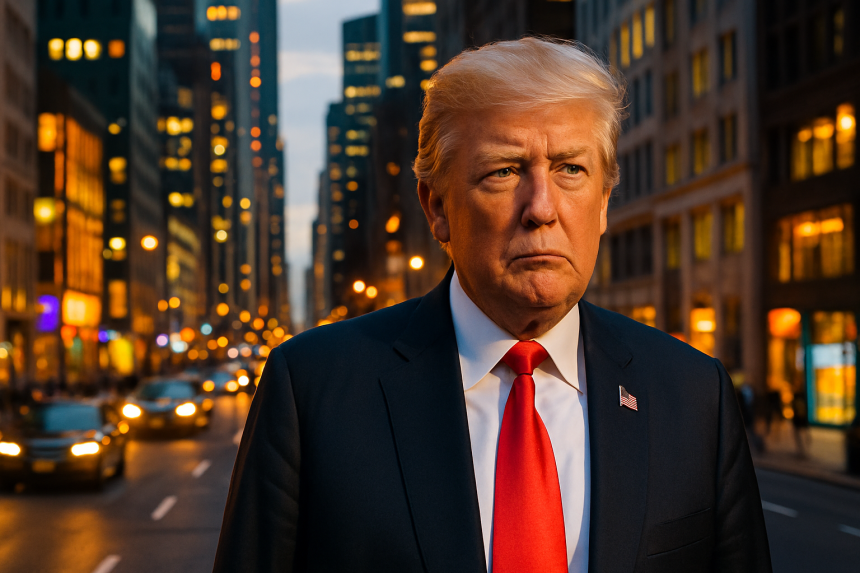
In a quick policy shift, President Donald Trump announced that the planned global tariff rate will be increased to 15% from an initial rate of 10%. This decision comes less than a day after the US Supreme Court ruled against the broader legal basis of Trump’s economic policies. Trump’s focus appears to remain steadfast on the trade aspect of his administration’s agenda, despite facing legal hurdles. These developments may have significant implications on international trade dynamics, particularly affecting US relationships with various global markets.

 ETH
ETH
 SOL
SOL
 BSC
BSC
 ROBINHOOD
 USDT
USDT
 AAPL
AAPL
What Prompted the Tariff Increase?
President Trump escalated the trade war shortly after the Supreme Court’s decision, which declared that he had exceeded his authority by using the International Emergency Economic Powers Act. This legal setback challenged a fundamental component of Trump’s economic strategy. As a response, Trump navigated toward a more circumscribed statutory measure, promptly signing a proclamation to enforce the tariff hike. The President’s move signals his determination to maintain a strong stance on trade matters, despite the judicial challenges he faces.
How Will This Affect International Trade Relations?
The tariff hike could potentially increase tensions between the United States and its trade partners. While the initial tariffs were already a point of contention, the increase to 15% may exacerbate these differences and lead to retaliatory measures. Countries affected by the tariffs might seek to impose their own restrictions or pursue remedies through international trade organizations. This ongoing situation may alter existing trade agreements and strain diplomatic relationships.

Previous attempts by the Trump administration to implement tariffs were often met with countermeasures and negotiations. Historically, these have resulted in disruption across various sectors, highlighting the complex balance between free trade and protectionism. International trade experts continue to debate the efficacy of such policies, especially given the global economic environment. The administration’s insistence on tariffs as a means of economic leverage seems to suggest a continued push towards altering international trade practices despite challenges.
The Office of the United States Trade Representative stated, “The increased tariff rate seeks to protect U.S. industries from unfair competition.”
However, economists argue that the strategy places significant pressure on domestic consumers and businesses, facing higher costs for imported goods.
President Trump has remained defiant, voicing his belief that such measures are essential for protecting American interests.
“We will not let other countries take advantage of us anymore,” Trump asserted, emphasizing his administration’s resolve to level what he views as an unfair global trading field.
While the trade policy’s immediate effects are uncertain, some suggest that in the longer term, it could spur local manufacturing by creating higher demand for domestically-produced goods. Economists warn, however, that the global economy might suffer consequences, particularly in interconnected trade sectors. These dynamics illustrate the delicate balance between national policy objectives and international economic cooperation, with broader implications for global markets.