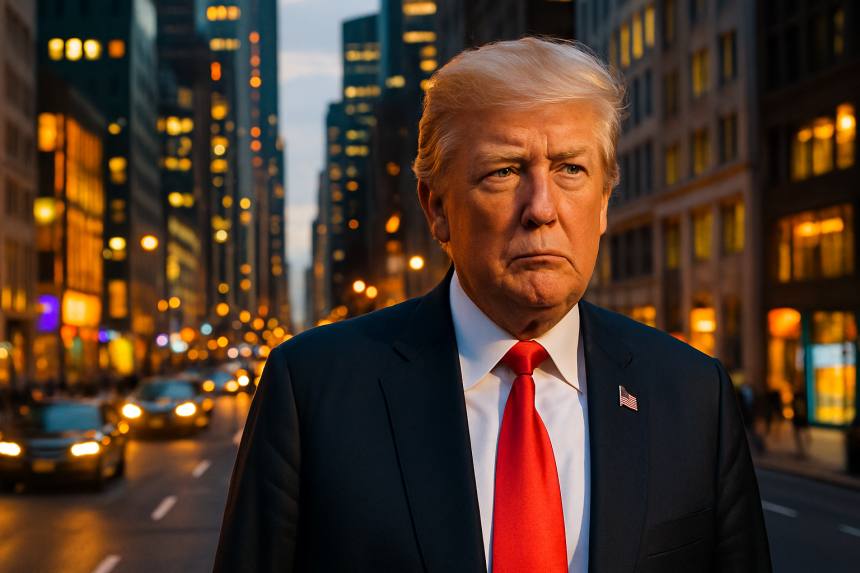
In a strategic political maneuver, President Donald Trump declared that the United States would reinstate a naval blockade of Iranian vessels and introduce a 20% fee on cargo transiting the Strait of Hormuz. The announcement highlights Washington’s intensified efforts to manage the longstanding tensions with Iran. This move aims to assert control over a critical global shipping route, sparking reactions from financial markets and shifting the landscape of international maritime operations. This development could lead to increased costs for goods passing through the vital corridor, which plays a key role in the energy sector by facilitating a substantial portion of oil shipments worldwide.

 ETH
ETH
 SOL
SOL
 BSC
BSC
 ROBINHOOD
 USDT
USDT
 AAPL
AAPL
In previous policy discussions, the United States had shown restraint, opting instead for diplomatic and economic pressures. However, this recent move signifies a notable shift towards military enforcement concerning Iran. Historically, similar tensions have led to fluctuations in oil prices and-adjustments in global shipping operations, underscoring the significance of this international waterway. This move deviates from the earlier strategies, indicating a new phase of pressure on Iranian commerce by the US administration.
What consequences may arise from US-Iran hostilities?
The latest escalation came amid ongoing military exchanges, jeopardizing an earlier ceasefire meant to encourage renewed dialogues on Iran’s nuclear activities. President Trump emphasized the assertive military stance, signaling a continued US presence in the area. The intensified pressure from Washington has fueled concerns over potential disruptions in the Persian Gulf, a vital artery for global oil transportation. Iran’s military, however, opposed the US’s strategy, threatening to disrupt any attempt to manage the strait’s operations without Iran’s involvement.

How have markets responded to this political maneuver?
In response to the announcement, oil prices rose, with Brent crude and West Texas Intermediate both experiencing significant gains. The financial markets, particularly equity markets, reflected investor apprehensions about rising energy costs and geopolitical instability. The activity in the Strait of Hormuz dwindled as reports suggested fewer vessels were opting to transit the US-monitored path, affecting shipping operations significantly. Analysts noted some ships opted out of broadcasting their routes, highlighting heightened caution.
The legal ramifications of Trump’s cargo fee proposal bring additional complexity. While international law safeguards the right of transit passage in major waterways, charging fees necessitates justification through services rendered, posing questions on the legality and logistics of implementing such fees globally. This uncertainty complicates operational expectations for shippers using the route.
Historically, the US has oscillated between diplomatic negotiations and military standoffs in its approach to managing relations with Iran. This strategic enforcement serves as both a deterrent to Iranian hostility and a measure to secure maritime traffic through a geopolitically sensitive zone. The ramifications of this decision are multi-faceted, affecting both political alliances and the global economic landscape.
The decision to charge for passage highlights the US’s intent to recoup expenses related to securing the waterway. However, this raises broader questions about the long-term implications for international trade and diplomatic relations in a region already laden with complexity. These tensions will likely remain a focal point in US foreign policy, with potential ripple effects on global energy security and economic stability.