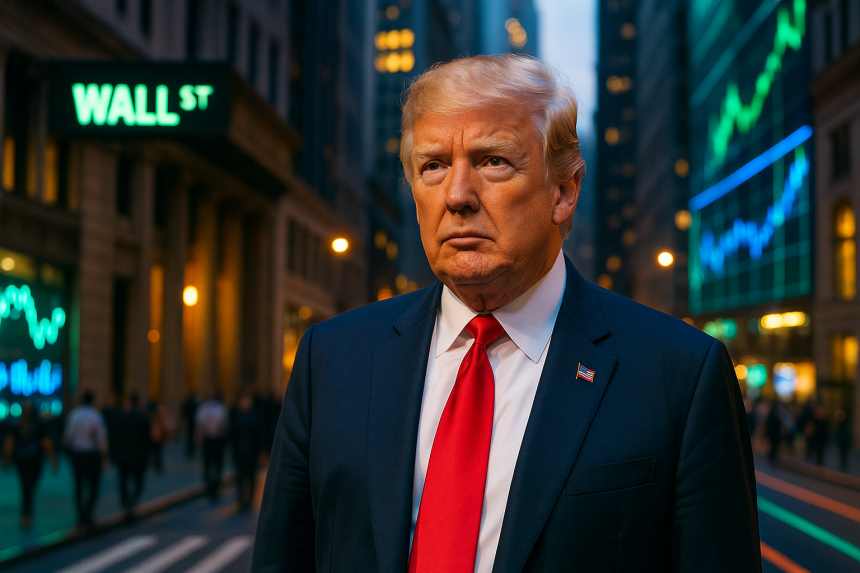
Global oil markets reacted on Monday to potential diplomatic talks between the United States and Iran, causing a notable decrease in crude oil prices. President Donald Trump suggested a halt on further military action against Iran, hinting at a possible agreement with Middle Eastern allies aimed at de-escalating ongoing tensions. This possible diplomatic avenue seeks to reinstate oil shipments previously restricted by the conflict. However, the divergence between the U.S.’s expectations and Iran’s stance remains palpable, affecting global oil supply concerns.

 ETH
ETH
 SOL
SOL
 BSC
BSC
 ROBINHOOD
 USDT
USDT
 AAPL
AAPL
Historically, fluctuations in oil prices have correlated with Middle Eastern geopolitical events. Earlier, sanctions and military actions spurred oil prices to skyrocket above $110. In contrast, Monday’s developments led to a dip in prices, with West Texas Intermediate crude trading at approximately $79.45 per barrel—a significant reduction in connection to the peace prospects. Nonetheless, Iranian officials recently countered claims of negotiations with the U.S., stating their discussions involve third parties like Oman.
Will Negotiations with Iran Successfully Proceed?
Negotiations with Iran, anticipated by the U.S. to start imminently, aim to ease tensions that contributed to restrictive measures along the Strait of Hormuz. These restrictions and potential military threats had previously disrupted global oil supplies. A resolution might stabilize markets, though inconsistencies in diplomatic dialogues continue to complicate resolution pathways.

What are Industry and Government Perspectives?
Amid the diplomatic discussions, economic repercussions remain on the forefront as gas prices in the U.S. remain inflated, with national averages reaching $4.095 per gallon. Trump commented on this, reflecting on a recent conversation with Chevron CEO Mike Wirth. While he acknowledged the company’s successes under his administration, Trump pressed for reduced consumer prices.
“The only thing he conveniently forgot to mention is that, without the genius, foresight, strength, and stability, of the TRUMP Administration, the Oil Industry, and our Country itself, would be DEAD!”
This statement came as the White House previously criticized gas stations for high prices, claiming it was a choice to widen profit margins rather than a necessity. Gas station representatives responded that price adjustments correlate with ongoing oil prices, adjusting more slowly due to existing inventories bought at higher costs.
In the context of global energy, geopolitical interactions play a crucial role in shaping economic outlooks. With expectations set on diplomatic progression, oil prices are likely to showcase volatility depending on actual developments. The energy sector remains vigilant to potential reintegration with Iran’s oil supply stability and its long-term impacts on pricing and international relations.
“…get your consumer (retail!) Oil Prices DOWN, NOW!” Trump emphasized on social media regarding oil industry practices.
For stakeholders, understanding broader market dynamics helps navigate pricing trends. Both historical analyses and contemporary scenarios highlight how geopolitical negotiations can usher pivotal changes, albeit with significant unpredictable elements impacting economic landscapes.