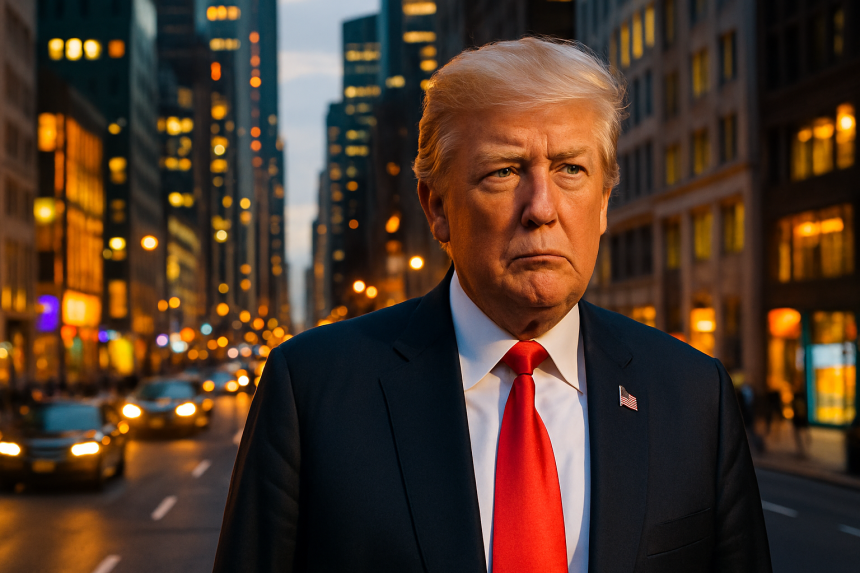
After a series of military actions against Iran, former President Donald Trump has temporarily called off further strikes. This decision comes amid significant warnings from advisors about dwindling defense resources and the limited efficacy of ongoing operations. As tensions simmer, Trump faces a delicate balance between military assertiveness and diplomatic engagement. His administration’s decision reflects a growing awareness of the complex dynamics at play, as well as the domestic and international ramifications of extended military conflict.

 ETH
ETH
 SOL
SOL
 BSC
BSC
 ROBINHOOD
 USDT
USDT
 AAPL
AAPL
Trump’s recent decision highlights a shift in strategy compared to past actions. While his administration initially pursued aggressive military steps against Iran, the recognition of depleting air defenses offers a stark contrast to previous reliance on military pressure. Historically, the Trump administration has wavered between military aggression and diplomatic overtures, creating a complicated relationship with Iran.
What Led To Trump’s Decision?
Trump, cautioned by senior military officials, ceased military operations due to critical shortages in air defenses. This realization was fueled by increased defense commitments to Ukraine and operations against Ansar Allah, which had greatly reduced supplies. Alongside, the effectiveness of strikes against Iran was questioned as Trump’s aggressive stance yielded less influence over Iranian actions.

How Are Falling Ratings Impacting His Choices?
Declining approval ratings also weighed on Trump’s decision-making. Concerns over escalating oil prices, linked to the conflict, further influenced the pause. Financial pressures, with soaring yields in the bond market, have complicated efforts for domestic economic stability as midterm elections loom.
According to a White House official, Trump has voiced a preference for diplomacy, despite a consistent readiness to employ military avenues if Iran’s actions escalate.
“Always been consistent in saying he prefers a diplomatic solution,” stated the official.
However, growing threats in the Strait of Hormuz and to allies maintain pressure on his administration to keep options open.
Analysts suggest Trump is entangled in a strategic quagmire, with Iran deploying advanced tactics and weapons, further complicating U.S. efforts. Iran’s ability to innovate its defensive strategy creates a more challenging environment for traditional military interventions.
Moreover, Trump’s halted operations reflect an increasing recognition of the unintended economic consequences of prolonged conflict. Higher oil and inflation rates pose significant risks, both financially and politically, underscoring the need for a recalibrated approach.
The former president’s challenge lies in navigating an exit strategy that neither emboldens Iranian control over key regions nor exacerbates economic tensions at home. Balancing these demands continues to be a pressing concern as Trump evaluates his next steps.