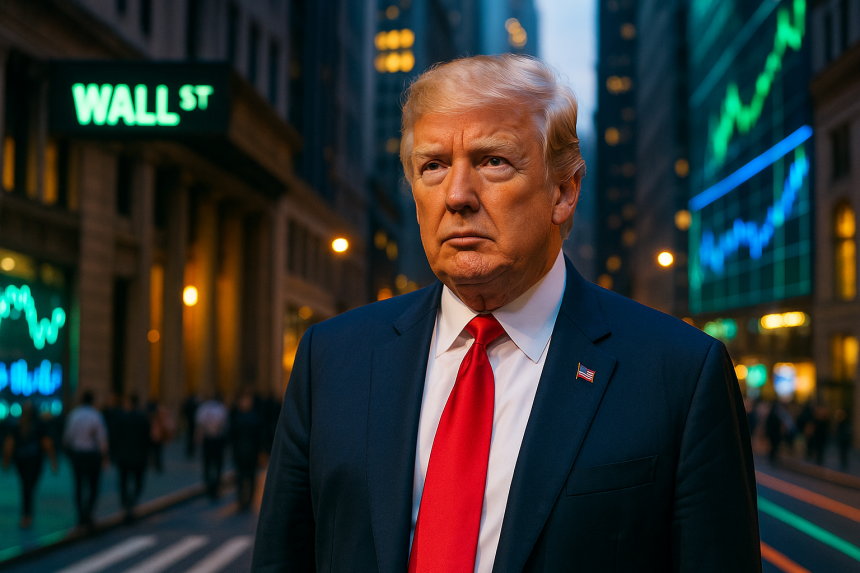
The landscape of cybercrime is increasingly becoming a pressing issue, threatening American consumers and businesses alike. Amid growing concerns, President Donald Trump has taken decisive steps to address these threats. An executive order was signed to strengthen various tools to counter transnational criminal organizations (TCOs) that orchestrate cyber-attacks and scams. The order underlines the administration’s commitment to employing both national and international resources to fight these activities. A rise in technology usage has also emboldened cybercriminals who exploit digital platforms to launch schemes more efficiently, necessitating immediate and extensive measures.

 ETH
ETH
 SOL
SOL
 BSC
BSC
 ROBINHOOD
 USDT
USDT
 AAPL
AAPL
What Actions Are Being Taken?
The U.S. government has identified cyberfraud and scamming as a significant threat and is prioritizing their prosecution. Key directives include establishing funds to support fraud victims using resources seized from cybercriminals. Furthermore, the Department of Homeland Security is tasked with enhancing training for state and local law enforcement to better manage cyber threats. Meanwhile, consequences such as sanctions and restrictions are proposed for countries that provide sanctuary to these predatory activities. With more than $12.5 billion lost to scams, efforts are being strengthened to address these growing concerns.
How Have Past Initiatives Fared?
Traditionally, cybersecurity measures have focused on reactive responses. Earlier studies and reports hinted at the increasing vulnerability due to technology advancements, but those measures were often limited to specific sectors or regions. The current approach emphasizes a far-reaching strategy, incorporating both preventive measures and penalties against enabling countries. Historical data from PYMNTS Intelligence suggests a need for innovative solutions, merging both legislation and technology in combating crime.

Several high-profile cases of ransomware attacks, phishing, and financial fraud have highlighted the role of TCOs in executing globally coordinated cyber campaigns. The executive order recognizes the complexity of these crimes, often statesupported, and pushes for a comprehensive crackdown. The White House has noted that cybercriminals operate a parallel economy using illicit means, underscoring the importance of a concerted response.
An estimate from the White House states that around 73% of Americans have faced cyber scams, significantly higher than previous surveys. This disparity points to the pressing need for accurate data to formulate effective policies. President Trump’s order seeks to bridge this gap by commissioning reports and strategic reviews that can assist in resource allocation and enforcement strategies.
Banking officials continue to express their concern over the pace of fraud relative to existing defenses. As noted by Joseph Schuster from Ballard Spahr, fraudulent operations have become increasingly industrialized, demanding adaptive and scalable solutions. The broader financial industry is urged to innovate and invest in robust defenses while cooperating with governmental initiatives.
The Trump administration’s proactive stance on cybercrime intends to craft a formidable defensive and offensive position in cyberspace. Monitoring emerging threats and reinforcing international collaboration are crucial actions highlighted in this strengthened policy framework. National safety and economic security are prioritized, intending to create a deterrent against the evolving threat landscape.