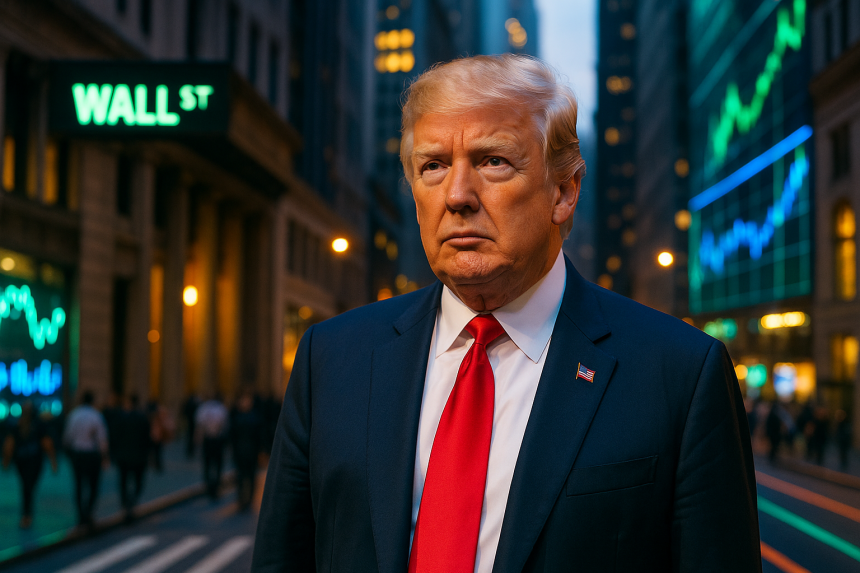
Kevin Warsh’s nomination by President Donald Trump to succeed Jerome Powell as Federal Reserve Chair is a notable shift that may affect the financial market’s expectations. Known for his critical stance on monetary intervention, Warsh is expected to bring a different philosophy to the role, one that might not align with Wall Street’s earlier assumptions of central bank support in volatile times. Investors are scrutinizing the potential impact of Warsh’s appointment, particularly given his history and the evolving relationship between the financial markets and the Fed.

 ETH
ETH
 SOL
SOL
 BSC
BSC
 ROBINHOOD
 USDT
USDT
 AAPL
AAPL
Kevin Warsh served on the Federal Reserve Board during the 2008 financial crisis and was instrumental in the bank’s emergency measures under his tenure. However, his past public criticisms, especially regarding the Fed’s extended market interventions and forward guidance, suggest a possible departure from these practices. His stance could mark a shift from Jerome Powell’s strategies, potentially leading to less predictable guidance for financial markets. This possibility may stir apprehensions among investors who have been accustomed to more transparent communication from the Fed in recent years.
What Awaits Wall Street with Warsh’s Possible Policies?
If Warsh is less generous with liquidity and less predictable in his policy moves, Wall Street may experience certain unease. His philosophy stresses institutional credibility and inflation management, which could impact the Fed’s predictability factor, long valued by financial markets. This scenario stands in contrast to Jerome Powell’s approach where policy directions were often disclosed well in advance, thereby providing markets with a consistent roadmap.

How Could a Warsh-Led Federal Reserve Differ?
A core concern with a Warsh leadership could be his focus on reducing the Fed’s balance sheet aggressively, reflecting his belief that the Fed’s asset purchases have distorted financial markets. Warsh’s influence might lead to stricter discipline in monetary policies, potentially removing the safety net markets have relied on, like during and post the 2008 crisis. Furthermore, this approach may also mean a change in how quickly interest rates and inflation markets stabilize.
Warsh’s nomination involves weighing potential risks of his less interventionist approach against the apparent predictability under Powell. His stance could diminish the expectation of liquidity provisions that markets have become reliant upon. Industries sensitive to interest rates, such as real estate and technology, may thus witness significant fluctuations under a Warsh-led Fed.
In his speeches, Warsh emphasizes the belief in returning to fundamental monetary policies. He stated,
“It’s crucial that the Federal Reserve focus on its core mission without undue interference.”
Warsh sees over-reliance on policy tools as problematic, potentially leading to unintended consequences in long-term financial stability.
Despite initial market reservations, any significant policy changes Warsh implements might benefit the economy’s underlying health, though not necessarily aligning with Wall Street’s immediate expectations. It’s paramount for investors to adapt to this different landscape, recognizing that Warsh may prioritize inflation credibility over surface-level market comfort.
Ultimately, Warsh’s policies could provide a clearer distinction between current market practices and those pre-2008, epitomizing a return to conventional monetary principles. Investors and analysts alike may need to reassess their longer-term strategies, should Warsh adopt a more conservative approach compared to his predecessors. Additionally, navigating this shift requires attention to broader economic indicators rather than solely fiscal policies.