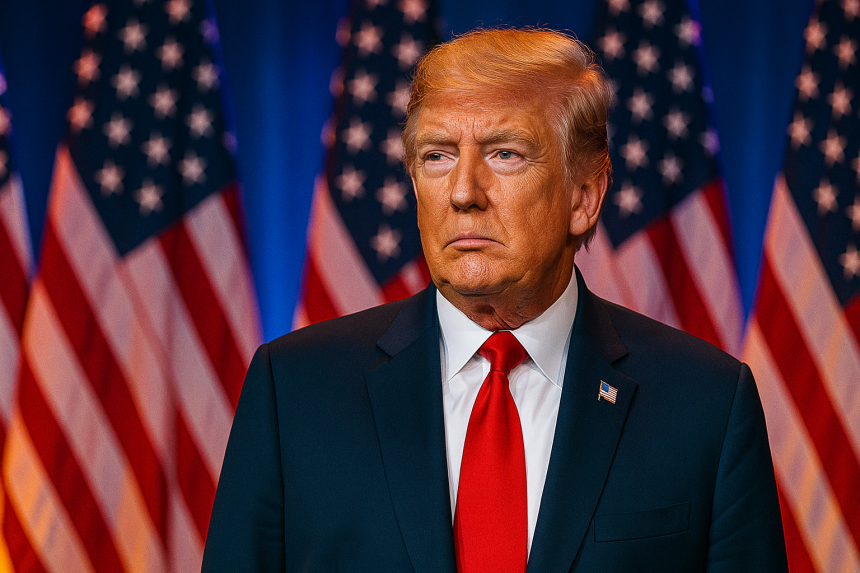
President Donald Trump’s recent remarks indicate potential progression in long-standing US-Iran negotiations, injecting cautious optimism into the global geopolitical landscape. As diplomatic discussions appear to gain momentum, oil prices have responded by increasing significantly, reflecting persistent anxiety over supply disruptions. Concurrently, the White House’s efforts to integrate Anthropic’s AI model into federal agencies advance, while Bitcoin faces challenges in overcoming critical resistance levels around $75,000. In an era marked by rapid technological and economic shifts, these developments underscore the complex interlinkages between international diplomacy, technological adaptations, and market dynamics.

 ETH
ETH
 SOL
SOL
 BSC
BSC
 ROBINHOOD
 USDT
USDT
 AAPL
AAPL
Discussions around the US-Iran deal have seen various shifts over the years. Recent initiatives described by President Trump align with attempts made during his tenure to address nuclear disarmament and regional security concerns. Earlier dialogs focused on establishing a framework for inspections and eased sanctions, although they faced multiple setbacks. The current measures bring elements of past efforts into today’s geopolitical and economic context, emphasizing the diverse and often fluctuating approaches undertaken in diplomatic negotiations.
What Does Trump’s Optimism in US-Iran Talks Mean?
President Trump recently expressed optimism concerning the potential for a significant agreement with Iran, highlighting that progress in the talks might prompt imminent meetings. Notably, he mentioned that Iran might be on the verge of agreeing to critical conditions, potentially including the oversight of nuclear materials.

“It’s looking very good that we’re going to make a deal with Iran,” he stated to reporters, underscoring the potential for resumed negotiations.
This development comes despite the more cautious outlook from other global powers who predict extended timelines for reaching an agreement.
Why Are Oil Prices On The Rise Despite Diplomatic Efforts?
The prospect of a diplomatic breakthrough with Iran did little to ease oil market tensions, as prices continued to ascend amid concerns about ongoing supply risks. Brent crude and West Texas Intermediate both saw substantial gains, reflecting trader anxiety regarding potential disruptions in the Strait of Hormuz, a vital passage for global energy shipments.
David Morrison, a senior market analyst at Trade Nation, commented, “The forward curves for Brent, and to a lesser extent WTI, continue to show backwardation.”
Despite these gains, the market faced complexities due to fluctuating supply expectations.
Bitcoin, meanwhile, experienced minor upward movement, holding above a significant resistance level, as the broader cryptocurrency market showed mixed reactions. The slight gains followed a recent intraday high in US stock indices, yet the overall trend remains cautious with caution still predominant among cryptocurrency investors.
In non-market-related advancements, the White House’s initiative to roll out an adjusted version of Anthropic’s AI model, Mythos, to federal agencies progresses. Officials continue to work on implementing necessary security measures to prevent misuse, reflecting ongoing concerns over the dual-use potential of advanced AI technologies. Current strategies emphasize collaboration with industry partners to ensure responsible deployment.
Geopolitical dynamics play a fundamental role in shaping global economic trends and technology policies. The multifaceted nature of these developments highlights the interconnectedness of diplomacy, market movements, and technological advancements in international relations. Understanding these complexities is crucial for stakeholders navigating these arenas.