
 ETH
ETH
 SOL
SOL
 BSC
BSC
 ROBINHOOD
 USDT
USDT
 AAPL
AAPL
The landscape of the cryptocurrency industry witnessed significant growth in 2025, marked by a notable rise in acquisitions and initial public offerings (IPOs). This surge is primarily attributed to the Trump administration’s supportive policies, signifying an era of increased adoption and integration within the financial domain. With a strategic push by policymakers, major companies in the crypto space responded with expansive financial activities aimed at establishing a stronger foothold in the market. Such movements highlight the changing dynamics of the sector, where regulatory environments play a crucial role in shaping the future of cryptocurrencies.
Compared to previous years, 2025 stands out for the dramatic increase in cryptocurrency acquisitions and IPO activities. Earlier years also showed trends of growth, but the systemic adoption and regulatory clarity observed currently were less pronounced. This year, substantial financial commitments and regulatory adjustments have combined to signal a new phase for the industry, shifting it closer to mainstream financial mechanisms.

What Significant Deals Occurred?
In 2025, the cryptocurrency market experienced an 18% increase in acquisitions, totaling 267 deals. Noteworthy transactions include Coinbase’s acquisition of Deribit for $2.9 billion and Kraken’s purchase of NinjaTrader for $1.5 billion. Ripple also played a part with its $1.25 billion acquisition of Hidden Road. These deals underscore the scale at which top industry players are expanding and diversifying their portfolios to stay competitive.
How Have Crypto IPOs Expanded?
The number of IPOs also saw remarkable growth in 2025, with 11 crypto companies going public globally, compared to four in 2024. Collectively, these IPOs raised a significant $14.6 billion, a stark increase from the $310 million generated in 2024. Prominent companies such as Gemini, Circle, and Bullish were among those entering the public markets, reflecting investor confidence in the crypto industry’s long-term prospects.
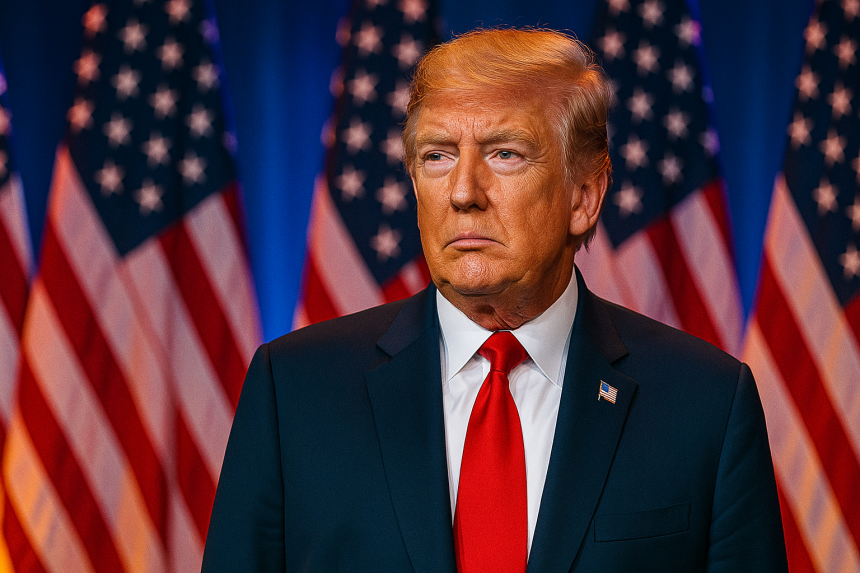
Deriving momentum from these activities, the industry’s expansion is credited to an assortment of Trump administration policies, which include appointing cryptocurrency-friendly regulators, withdrawing previous lawsuits, and establishing a national crypto reserve. These actions have created a conducive environment for growth within the sector.
President Donald Trump further emphasized the administration’s commitment by announcing the creation of a U.S. strategic cryptocurrency reserve. This reserve is set to include prominent cryptocurrencies like Bitcoin, Ether, XRP, Solana’s SOL, and Cardano’s ADA. Trump expressed,
“A U.S. Crypto Reserve will elevate this critical industry after years of corrupt attacks by the Biden Administration.”
Looking forward to 2026, expectations remain high as new regulations roll out in the U.S., potentially bringing more traditional financial institutions into the crypto fold. The focus is on facilitating a seamless transition into the mainstream economic ecosystem for cryptocurrencies.
The significant strides seen in 2025 signal increasing acceptance and integration of cryptocurrency into the broader financial architecture. Amidst these changes, mechanisms that foster transparency and stability remain pivotal. The future will demand keen observation of policy shifts and market receptivity, ensuring both industry growth and investor protection. A strategic interplay between innovation and regulation will likely direct the sector’s trajectory moving forward.
“I will make sure the U.S. is the Crypto Capital of the World,”
said Trump, reiterating the administration’s assertive stance on positioning the U.S. as a leader in the global crypto landscape.