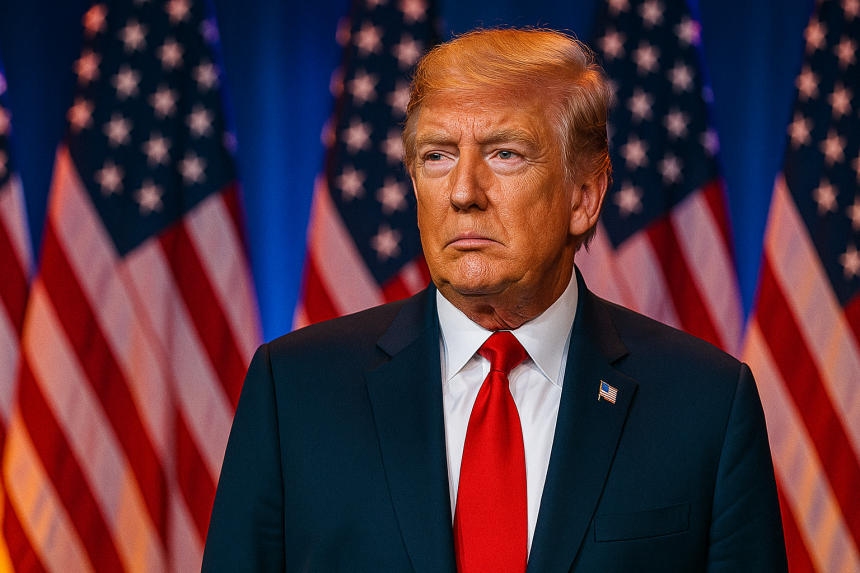
In a bold statement reflecting the Trump administration’s regulatory stance toward artificial intelligence, the outgoing AI adviser underscored resistance to establishing stringent licensing requirements. As technology continues to evolve at a rapid pace, there is a significant pushback against creating a central regulatory body akin to the FDA for AI. This declaration reveals the administration’s persistent preference for less governmental interference, suggesting a focus on innovation without bureaucratic constraints. These discussions emerge amid complex debates about balancing technological advancements with regulatory controls. As AI technologies increasingly influence industries, the path forward remains a contentious issue. Indeed, the refusal to introduce a formal licensing system highlights a broader debate on AI regulation.

 ETH
ETH
 SOL
SOL
 BSC
BSC
 ROBINHOOD
 USDT
USDT
 AAPL
AAPL
How has AI regulation discourse evolved over time?
In previous years, AI regulation has often been at the center of both technological optimism and cautious scrutiny. Earlier stances reflected more cautious approaches, advocating formal frameworks to monitor AI’s rapid deployment. The recent divergence from these conservative suggestions illustrates a significant shift in regulatory perceptions. While previous strategies emphasized safeguarding against unforeseen AI challenges, current policies highlight the refusal to stifle AI development with legal intricacies. Such a positioning does raise questions about possible repercussions, given growing public security and ethical concerns surrounding AI.
What drives the administration’s take on AI regulation?
The desire to minimize bureaucratic hurdles in AI deployment stems from an overarching belief in fostering innovation without restrictive oversight. Simplifying the regulatory landscape is believed to enhance AI competitiveness on a global scale. Speaking on the matter, Sriram Krishnan asserted,

“This administration, [the] president, from day one has been against burdensome, onerous, bureaucratic red tape.”
The administration’s doctrine reflects a laissez-faire approach that rejects interference with the natural progression of technological advancements. The core idea is to not determine which AI models succeed or fail by imposing stringent measures.
Furthermore, the strategy acknowledges the fast-paced nature of AI developments, which may require dynamic and adaptable governance rather than static regulation. As emphasized by Krishnan, any centralized AI authority would potentially slow down innovation, suggesting that flexibility is key to navigating this evolving landscape.
“There will not be an FDA for AI,”
he noted, reinforcing the administration’s commitment to a more liberal regulatory path.
Despite this, the recent intervention in halting certain AI models, like Anthropic’s Mythos, indicates that regulatory action is not entirely off the table. However, it showcases the selective application of oversight, prioritizing intervention only in significant scenarios. This nuanced approach may create room for addressing major concerns without comprehensive regulations.
Media reports reveal varying public opinions, with surveys pointing to strong support for more comprehensive AI regulations to guard against potential risks. Critics argue that the current administration’s stance neglects broader societal concerns, positioning businesses ahead of public safety. Conversely, proponents suggest minimal intervention is crucial in maintaining the U.S.’s edge in AI technology.
The ongoing debate on AI governance underscores the complexity of crafting policies that suit both innovation and accountability. As industries continue embedding AI, a balanced approach remains necessary to cater to evolving needs while addressing ethical concerns. Industry dynamics illustrate that technological oversight must adapt in parallel to these entities’ growing capabilities. Crucially, proactive dialogues between policymakers and stakeholders are essential to navigate AI’s expanding role responsibly.