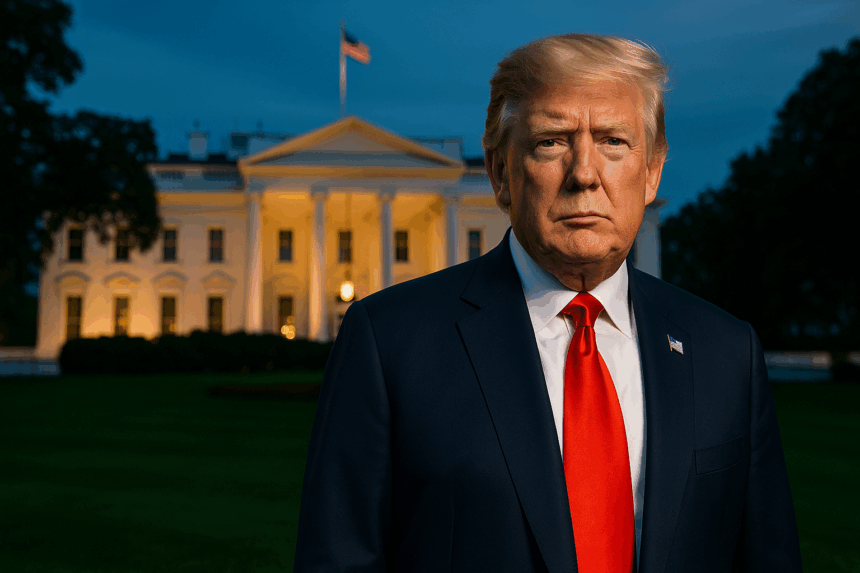
The Department of Government Efficiency (DOGE), introduced under President Donald Trump, was founded with the aim of downsizing federal agencies and curbing government expenses. Despite being slated to operate until July 2026, the department has ceased operations, according to recent reports. OPM Director Scott Kupor confirmed the dissolution of DOGE, highlighting a transition of its responsibilities to the Office of Personnel Management. This move signifies a notable shift in the administration’s strategy towards streamlining governmental processes.

 ETH
ETH
 SOL
SOL
 BSC
BSC
 ROBINHOOD
 USDT
USDT
 AAPL
AAPL
Earlier announcements about DOGE drew considerable attention, particularly when Elon Musk was appointed to oversee the agency, offering a visible figurehead to promote its mission. Musk’s bold methods, such as using a chainsaw as a symbol for cutting bureaucracy, coincided with substantial job cuts and purported expenditure reductions. Nonetheless, skepticism surrounded the transparency of claimed savings due to the absence of detailed public records.
What Initiated DOGE’s End?
The termination of DOGE comes as a surprise, given its initial promise to extend its influence until summer 2026. The department, while initially publicizing its objectives aggressively, has gradually become less central, with OPM now absorbing many of its duties. Critical conversations suggest that while DOGE’s initiatives resulted in nearly 300,000 government job cuts, the tangible benefits in cost savings remain ambiguous without external verification.

What Impact Has DOGE Left?
DOGE’s legacy persists through its early efforts, such as the proposed shutdown of the Consumer Financial Protection Bureau (CFPB). Although the CFPB has not been dissolved, its budgetary reductions indicate a continuing influence of DOGE’s initial initiatives. White House representatives argue that these measures align with broader objectives to curb federal expenditure and improve efficiency.
Comparative reports on DOGE’s effectiveness have varied across the board, with analysts expressing uncertainty about the actual fiscal outcomes of its policies. Past critiques often pointed out the department’s shortcomings in providing clear and actionable data, challenging the purported achievements. These issues raise ongoing debates about the net gain versus disruption caused by such reorganizations.
Although DOGE has disbanded, its ethos continues to resonate through systemic changes and policy adaptations within federal operations. Stakeholders remain divided on whether the agency fulfilled its mission to bring substantial savings, with some noting a lack of transparency as a significant hindrance. Ongoing scrutiny will likely shape similar future endeavors in government efficiency.
Echoing sentiments from the White House, Liz Huston emphasized Trump’s dedicated commitment to minimizing waste and improving fiscal accountability through such initiatives. Yet, the actualized achievements of DOGE are difficult to ascertain, owing to its early conclusion and insufficient explicit results. This scenario reflects a broader discourse on the challenges in implementing large-scale governmental restructuring.