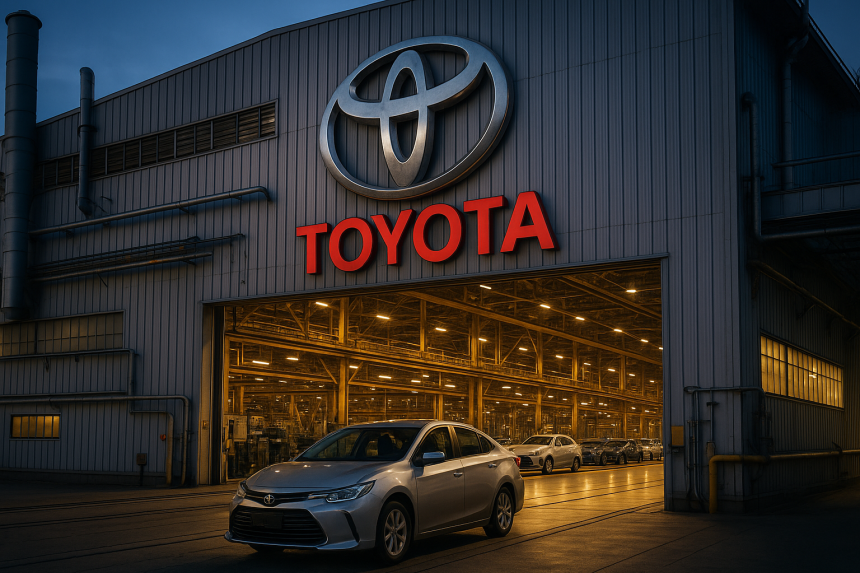
The fusion of three major global companies, Volvo Group, Daimler Truck, and Toyota Motor Corporation, is set to reshape the landscape of hydrogen fuel cell technology for heavy-duty transport. By signing a non-binding agreement, the collaboration marks Toyota’s entry as an equal shareholder in the cellcentric joint venture. This alliance aims to combine expertise and resources to enhance fuel cell system development for long-haul trucking and other demanding applications. The joint effort could significantly influence the industry’s transition towards sustainable and low-emission solutions.

 ETH
ETH
 SOL
SOL
 BSC
BSC
 ROBINHOOD
 USDT
USDT
 AAPL
AAPL
It has been noted in similar industry collaborations that such partnerships can accelerate technological advancement by pooling resources and expertise. Previous initiatives in the automotive and transportation sectors show aligning diverse strengths can often lead to rapid innovation and broader market acceptance. As the industry faces increasing pressure to address environmental impacts, such strategic alliances may serve as blueprints for future collaborations. This partnership reflects a growing trend where companies with complementary technologies seek joint ventures to achieve common sustainability goals.
How Will This Partnership Impact the Industry?
With Toyota onboard, cellcentric’s profile as a manufacturer of fuel cell systems for commercial vehicles is set to expand significantly. Toyota’s extensive experience in fuel cell technology complements the commercial vehicle knowledge brought in by Volvo and Daimler. This tripartite cooperation plans to optimize the fuel cell unit’s development process and integrate advanced architecture and control systems. This is designed to create competitive, innovative solutions and potentially set new standards in hydrogen technology. The collaboration suggests a commitment to scaling hydrogen as a key energy source in decarbonizing transport.

What Does the Future Hold for Hydrogen in Transport?
The necessity for decarbonizing the trucking industry places hydrogen fuel cells as a plausible solution, especially in segments where battery infrastructure is weak. Compared to battery electric vehicles, hydrogen-powered alternatives provide an efficient choice for long-haul transportation due to their capacity to generate electricity on board and longer range capabilities. This joint venture may usher in a new era, driving hydrogen use beyond niche applications and fostering growth across regions lacking adequate charging networks.
The collaboration was characterized by enthusiasm from the involved parties. Koji Sato, CEO of Toyota, expressed excitement about the partnership, signifying the blend of commercial and passenger vehicle technology as a pathway to a hydrogen-based transportation ecosystem.
“We are deeply grateful for the opportunity to soon be joining Daimler Truck and Volvo Group as partners in building a hydrogen society,”
Sato stated, underscoring their commitment to advancing the hydrogen economy.
Additionally, Martin Lundstedt of Volvo Group highlighted the strategic importance of joining forces to accelerate the transformation towards a net-zero transportation setup.
“Welcoming Toyota onboard will be a big leap toward realizing the decarbonization of our industries,”
he commented, highlighting the potential system-wide impact of their collaboration.
As the industry navigates towards sustainable alternatives, the formation of partnerships such as this can play a pivotal role in shaping future transport dynamics. While hurdles in cost and infrastructure remain, collaboration on this scale can address these challenges, propelling the sector towards a greener paradigm.
The integration of Toyota into cellcentric has the potential to influence the sector significantly. By aligning their technologies, these companies aim to produce efficient fuel cell systems that meet the needs of modern logistics. Continued focus on both battery-electric and hydrogen technologies might pave a balanced path to a more sustainable transportation future.