In a surprising departure from traditional AI investment patterns, Peter Thiel’s hedge fund has strategically chosen not to invest in renowned companies known for their AI infrastructure, such as Palantir and Nvidia (NASDAQ:NVDA). Instead, Thiel has shifted focus to companies that leverage AI technology in their products. This move spotlights Meta (NASDAQ:META), Tesla (NASDAQ:TSLA), and Apple (NASDAQ:AAPL) as the new pillars of his investment strategy. Contrary to the usual choices in the AI sector, Thiel’s approach highlights significant interest in the practical application of AI.

 ETH
ETH
 SOL
SOL
 BSC
BSC
 ROBINHOOD
 USDT
USDT
 AAPL
AAPL
Nvidia, a prominent figure in the chip manufacturing segment, has been a traditional favorite in AI investments. The company’s significant stock performance, boasting a 1,268% increase over a five-year span, previously set it as a cornerstone in technology portfolios. However, Thiel’s past divestment of Nvidia holdings marks a notable shift, aligning his focus with AI application rather than infrastructure. This redirection reflects a growing interest in consumer-facing AI technology, regularly emphasized in technological advancement discussions.
Why Is Thiel Skipping Palantir and Nvidia?
Thiel’s decision not to include Palantir, despite being a co-founder, raises eyebrows, especially given Palantir’s impressive growth in the commercial sector. The decision also excludes Nvidia, despite its strong track record in AI infrastructure. Thiel’s absence from Palantir’s recent insider transactions suggests a clear divergence in strategic focus. While these companies excel in building AI frameworks, Thiel seems to prioritize firms that implement AI directly in consumer products.

What Is the Focus on Meta, Tesla, and Apple?
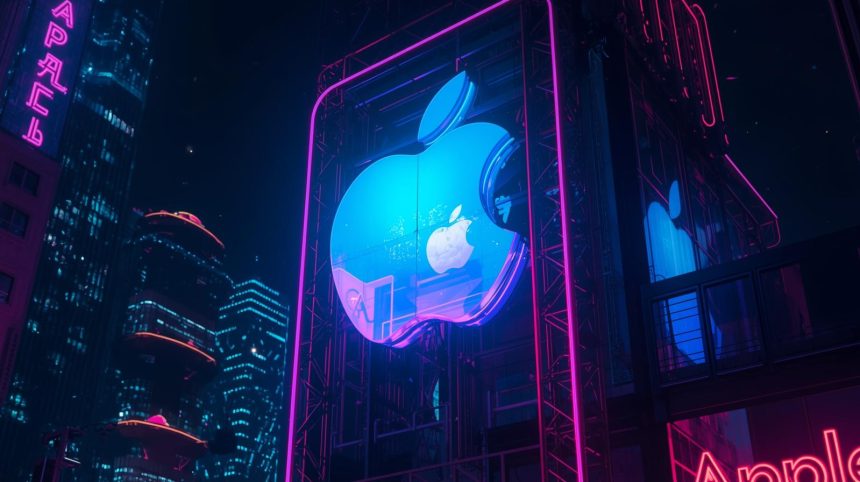
The inclusion of Meta in Thiel’s portfolio reflects his confidence in its AI-driven advertising enhancements. Meta’s recent earnings report revealing a significant increase in year-over-year revenue underscores this potential. Tesla, on its part, represents a leap into the realm of physical AI. Thiel’s investment here underscores an emphasis on developments in autonomous driving and robotics. Meanwhile, Apple, making up a significant portion of his portfolio, highlights the value he sees in AI usage in consumer technology, leveraging Apple’s extensive user base for potential AI advancements.
Thiel’s strategic allocation to these three companies was partially funded by liquidating his Nvidia holdings, marking what could be a broader trend toward application-based AI investments. This investment strategy underlines a preference for engaging AI technology in accessible and consumer-oriented ways. Moreover, the evident preference for application over infrastructure suggests Thiel is betting on companies that enhance user interaction and experience using AI.
The approach diverges from the deeper, infrastructure-heavy investments seen in Palantir and Nvidia. Despite Palantir’s significant revenue gains in the American market, disappointing stock performance might have deterred Thiel. His move might suggest a strategic foresight into where AI funding may reap more tangible consumer benefits, beyond mere technological infrastructure.
In making these strategic choices, Thiel capitalizes on the consumer-driven applications of AI within these companies. The tactical allocation reflects shifts occurring in investment strategies, prioritizing direct applications of artificial intelligence that engage end-users effectively. By focusing on Meta, Tesla, and Apple, Thiel acknowledges the broad impact these companies could offer through AI, potentially leading to substantial market accelerations in user adoption and revenue growth. This strategy indicates a thoughtful pivot from traditional paths, offering a glimpse into emerging market dynamics driven by AI utilization in consumer technology.