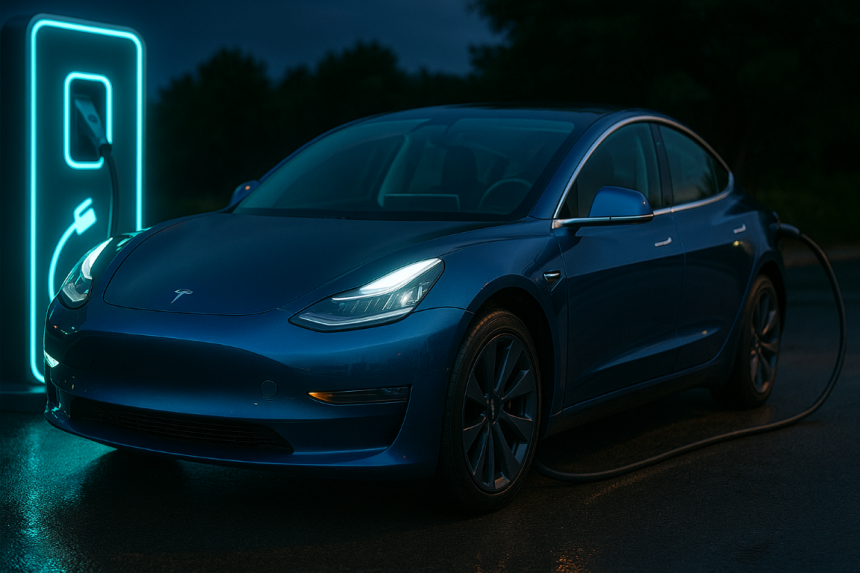
Tesla (NASDAQ:TSLA)’s stock is facing a complex landscape, with Wall Street projecting a potential 22% rise, yet recent developments point to a mixture of challenges and prospects. Analysts are eyeing both obstacles and catalysts as they assess the company’s approach. The uncertainty creates a dynamic investment climate where new initiatives and existing business performance play equally crucial roles in investor outlooks.

 ETH
ETH
 SOL
SOL
 BSC
BSC
 ROBINHOOD
 USDT
USDT
 AAPL
AAPL
What Has Influenced Tesla’s Present Position?
Tesla’s history in the stock market has been marked by significant swings, challenging both bullish and bearish investors. Despite a substantial focus on vehicle production, the company’s energy sector has consistently shown growth. Previous data notes impressive increases in Tesla’s energy solutions, yet ongoing global shifts in EV adoption and competitive market pressures require close observation in assessing Tesla’s stock trajectory.
Can Tesla Deliver on 2026 Goals?
Tesla’s stock performance has been affected by a notable decline in earnings, with fiscal 2025 marked by a 38% drop in operating income, attributed largely to increased R&D investment. This profitability slump has captured investor attention. The vehicle delivery shortfall and a 9% decline in full-year deliveries further signify challenges in aligning production with market expectations.

Although current performance metrics seem dismal, optimism persists amongst analysts regarding the strategic plans Tesla has for 2026. The anticipated launch of products such as the Cybercab and the expansion of robotaxi services to numerous cities present significant areas for potential growth. These initiatives are key steps as Tesla seeks to reinforce its competitive edge within the industry.
Not all analysts are convinced of immediate success, however. Only some are betting on Tesla’s realization of these prospects by 2026. Investors note value in Tesla’s energy business, which has seen a 25% year-over-year revenue increment. The energy division is increasingly central to strengthening Tesla’s diversified revenue streams.
“Tesla’s energy business is substantially undervalued by Wall Street,” states an industry analyst.
Regarding their strategic vision, Tesla notes, “The future of transportation involves a transition to sustainable energy solutions.”
Investors have mixed perspectives on Tesla, as reflected by ARK Invest’s acquisition of new shares. Yet, the disparity between Tesla’s current trading price and the projected future value illustrates the speculative nature of these estimations, with a base-case model setting optimistic price targets.
Looking at Tesla from broader angles, the market is split on predicting the timely execution of its ambitious plans. Upcoming catalysts hold promise, though remain uncertain in their impact due to challenges like tariff implications and European market setbacks. As Tesla navigates these waters, the actualization of major project initiatives could significantly sway market sentiments.