
 ETH
ETH
 SOL
SOL
 BSC
BSC
 ROBINHOOD
 USDT
USDT
 AAPL
AAPL
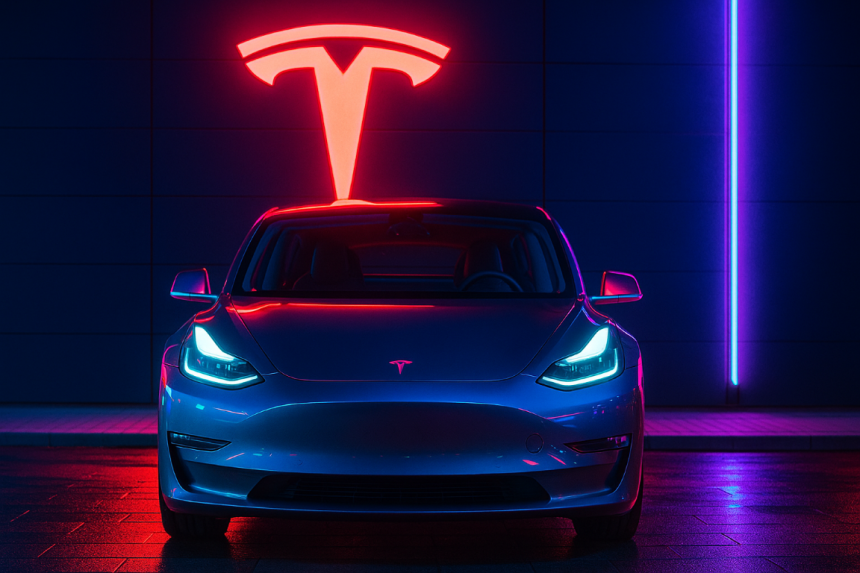
Elon Musk, a prominent figure with an extensive portfolio, now faces heightened attention from investors as Tesla (NASDAQ:TSLA) prepares for its forthcoming earnings announcement. This year, investors are particularly curious about Musk’s plans for his company SpaceX, rumored to be contemplating an IPO, and updates on Tesla’s Full Self-Driving (FSD) technology. With eyes primarily set on futuristic advancements rather than just financial results, this shareholder interest mirrors a growing trend of skepticism and hope around Musk’s ambitious projects.
When Tesla introduced FSD, expectations were high for rapid technological advancement. Historically, Musk has heralded FSD as a step toward true autonomy, but progress has been deliberate. While vehicles maintain Level 2 autonomy, Musk’s promise of reaching unsupervised driving remains elusive. This ongoing narrative highlights both the technological aspirations and the regulatory hurdles that Tesla faces. Meanwhile, Robotaxi’s gradual deployment using FSD technology is being closely monitored, emphasizing the critical balance between innovation and safety.

Will Tesla Shareholders Be Prioritized With SpaceX IPO?
Questions about the potential SpaceX IPO are particularly prevalent among stakeholders. Since SpaceX aims for a significant public valuation, Tesla’s investors are inquisitive about where their interests stand. Musk has maintained that Tesla’s shareholders will receive appropriate consideration.
“Loyalty deserves loyalty,” Musk stated, emphasizing the importance of Tesla’s long-term investors even as SpaceX embarks on a public offering.
This reassurance is essential as the financial community weighs the implications of having Musk’s leadership span two major public firms.
What Are the Challenges in Achieving Unsupervised FSD?
While Tesla’s Full Self-Driving technology has long been marketed as an innovative advancement, achieving true unsupervised usage remains a tough task. The deployment of Robotaxi services in select areas is a step forward. However, the progress is dependent on stringent regulatory measures and the technology’s reliability. Public safety and performance issues have slowed the expansion, prompting stakeholders to press for clarity on realistic timelines for full autonomy.
“The current bottlenecks pertain to both safety models and adequate monitoring,” Musk explained, suggesting a multifaceted approach to overcoming these barriers.
Tesla’s optimism about the potential of Optimus, the humanoid robot, reflects another dimension of Musk’s vision. The robots are intended for tasks ranging from household chores to complex factory operations. Initial deployments are slated for Tesla’s Gigafactory in Austin, showcasing these robots’ capabilities in an industrial setting. While production is cautious, the promise of integrating Optimus robots parallels Tesla’s focus on automation and efficiency.
Industry watchers have noted that Musk’s projections often involve optimistic timelines. Although the production of Optimus is set to roll out by the end of this year, some skepticism remains around the ambitious schedules. Investors are understandably keen on witnessing tangible advancements in robotics as these efforts promise to impact productivity and innovation significantly.
Navigating through Musk’s myriad commitments, the market looks for stability and progress in his ventures. Investors are urged to view these developments in the context of long-term aspirations rather than immediate breakthroughs. The focus on SpaceX’s public offering alongside Tesla’s advancements underscores Musk’s strategic moves across the technology landscape.