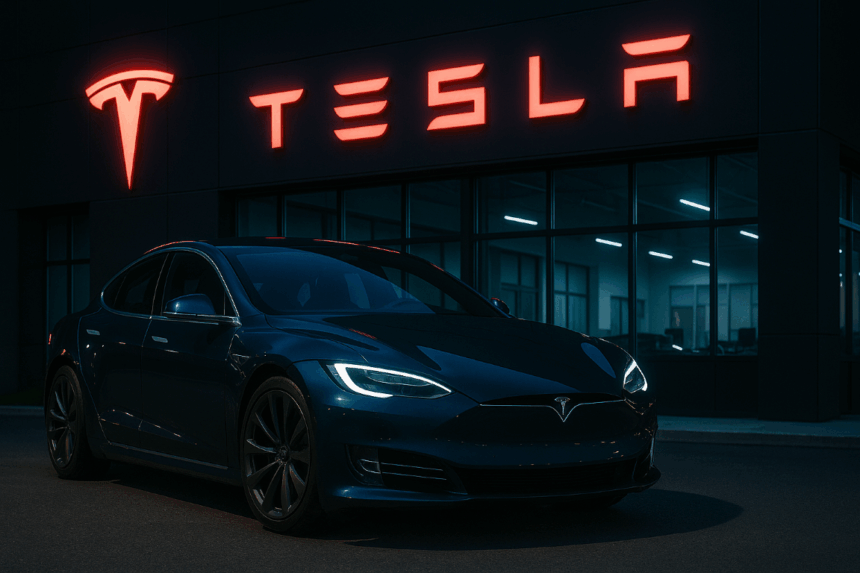
The electric vehicle industry is witnessing a shift as Tesla (NASDAQ:TSLA), once a dominant player, grapples with decreasing market shares, especially in Europe and the U.S. Meanwhile, BYD is experiencing a remarkable growth in sales. These developments highlight the evolving competition within the electric vehicle sector. As Tesla navigates these challenges, the emphasis on advanced technology and affordability becomes crucial. Additional complexities arise from increased competition in autonomous driving technologies, urging industry leaders to innovate rapidly or risk falling behind.

 ETH
ETH
 SOL
SOL
 BSC
BSC
 ROBINHOOD
 USDT
USDT
 AAPL
AAPL
Why is Tesla Losing Ground?
Tesla’s market dynamics have changed significantly, as seen in Europe where sales plummeted by 49%. In contrast, BYD has seen its sales soar by 210% during the same period. These figures underline a larger trend of Tesla losing its grip on the global EV market. Existing factors such as model refresh delays and high prices appear to play a part as Tesla’s U.S. market share dropped dramatically from 80% in 2019 to about 45% today. There is consensus among analysts that addressing these issues can be vital for Tesla to regain its competitive edge.
Can Tesla’s Autonomy Narrative Hold Up?
Tesla’s push towards robotic and AI-driven autonomous vehicles is facing mounting competition. Tech giants like Alphabet’s Waymo, along with Chinese firms, are providing alternatives with competitive self-driving technologies. The notion that Tesla will single-handedly dominate the autonomous driving space is increasingly being called into question. The challenges suggest that Tesla may not necessarily lead in autonomy as initially anticipated, raising questions about its future strategy.

Tesla’s current lineup, according to auto experts, appears to be part of the issue. Products like the Cybertruck have limited mass-market appeal. The absence of more budget-friendly vehicles might hinder Tesla’s ability to expand its market reach. A diversified product range could allow Tesla to better compete with brands offering cost-effective alternatives. It’s a stark reminder that pricing and product accessibility remain fundamental to market retention.
The evolving autonomous vehicle sector showcases development beyond initial expectations. In comparison, ten years ago the landscape was less competitive, with Tesla being a pioneering force. Nowadays, the presence of major tech players and successful pilot programs globally depict a more crowded field. These changes are altering how autonomous vehicle leadership is perceived, challenging previously held beliefs about the industry’s path forward.
Tesla’s future in the highly competitive electric vehicle market will depend significantly on its ability to adapt to changing consumer preferences and technological advancements. The ongoing diversification among competitors highlights the need for a strategic pivot focusing on affordability and innovation. Industry observers will closely watch Tesla’s next moves as they could heavily influence market dynamics and consumer behavior.