
 ETH
ETH
 SOL
SOL
 BSC
BSC
 ROBINHOOD
 USDT
USDT
 AAPL
AAPL
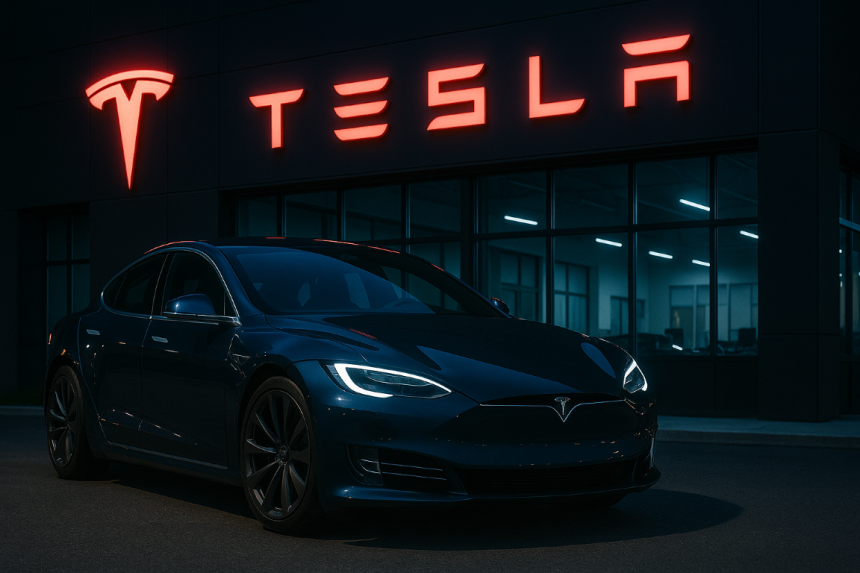
In a bold shift marking a new chapter for Tesla (NASDAQ:TSLA), the company has decided to halt the production of its flagship Model S and Model X vehicles. The decision, which surprised many, aims to repurpose the Fremont factory for manufacturing the Optimus humanoid robots. This pivot reflects Tesla’s efforts to focus on technologies that they believe will lead the way in autonomy and AI-driven futures. These plans reflect a growing trend in many sectors toward investing in advanced robotics and artificial intelligence as transformative economic forces.
Earlier discussions about Tesla’s transition from vehicle manufacturing started emerging when Elon Musk highlighted the importance of autonomy and robotics in the company’s long-term vision. This redirection towards AI and robotics echoes Tesla’s early investment in autopilot features for its vehicles. Despite changes in production, the company’s mission to innovate remains steadfast, aligning closely with technological advancements made over recent years. This evolution raises questions about the future landscape of the car industry as a whole, as competitors evaluate similar strategic directions.

Why Halt the Model S and Model X?
Tesla’s decision to discontinue these models follows a decrease in sales, with a significant drop in deliveries observed over the past year. From 85,133 units sold in 2024 to just 50,850 in 2025, the decline has been notable. This reduction symbolizes not only market saturation but also a strategic choice by Tesla to channel its resources more efficiently, aiming at their broader vision focused on automation and robotics.
What’s Next for Tesla’s Fremont Factory?
The transformation of the Fremont factory into a hub for Optimus humanoid robots illustrates a compelling shift from cars to physical AI products. With plans to produce up to 1 million Optimus units annually, Tesla is betting on the future demand for robotics. This shift suggests the company’s belief that productivity and growth lie beyond traditional automotive technologies.
Elon Musk commented on this shift, saying,
“We are moving forward into a future that’s based on autonomy.”
This move conveys Tesla’s commitment to redefining its operations through AI, underscoring a fundamental change in their business model. With the impending unveiling of Optimus Gen 3 and the existing utilization of driverless Robotaxis, Tesla is accelerating its strategy towards automation.
Existing owners of the Model S and Model X will continue receiving support, though Tesla has ceased taking new orders for these models beyond the first quarter of 2026.
“Now would be the time to order if you’re interested,”
Musk advised, urging those interested to act swiftly before the window closes completely.
The shift captures Tesla’s defining strategic transition, emphasizing its interest in leading both the automotive and AI/robotics sectors. While the decision to end the production of these luxury models may initially seem abrupt, the company’s focus on extending its technological reach reveals a broader ambition. This evolution signifies potential shifts in the automotive industry, where the integration of AI and robotics becomes a viable consideration for future growth.