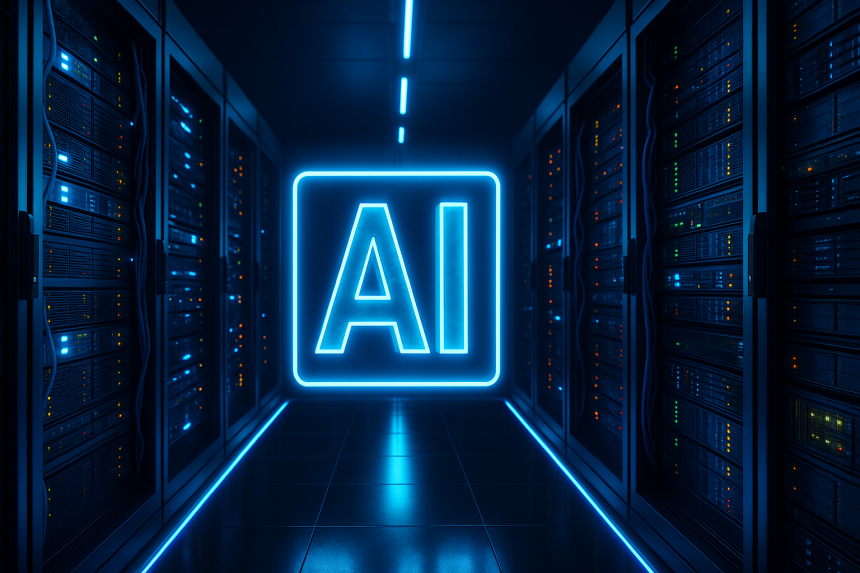
Emerging from the bustling tech scene in Dublin, TensorX seeks to redefine how AI infrastructure functions within Europe. Unlike many other companies that primarily concentrate on software and data domains, TensorX’s strategy is deeply rooted in securing the physical hardware and facilities essential for deploying AI technologies, all while maintaining strict adherence to European jurisdictional requirements. This approach is not only reflective of current demands but also anticipates future directions in the industry.

 ETH
ETH
 SOL
SOL
 BSC
BSC
 ROBINHOOD
 USDT
USDT
 AAPL
AAPL
In recent years, discussions around artificial intelligence in Europe primarily focused on foundational models. However, as data ownership and intelligence emerge as central themes, companies like TensorX are zeroing in on critical infrastructure. The firm procures AI hardware and data center capacities to provide private AI services on dedicated Nvidia (NASDAQ:NVDA) GPUs, emphasizing data residency within Europe. TensorX’s journey underscores a shift from software-centric to infrastructure-oriented AI solutions, especially for organizations keen on maintaining strict data locality.
What Makes TensorX Different?
The core of TensorX’s approach is a blend of IT infrastructure expertise and deep insights into AI hardware, a combination that sets it apart. The company’s inception stemmed from the challenges faced by fintech organizations seeking AI solutions without compromising data sovereignty. By integrating software, hardware, and infrastructure proficiency, TensorX offers GPU clusters that facilitate secure AI inference. According to Tim Grant, the Executive Chairman,

“We realised there was no viable way for many enterprises to adopt AI without a sovereign, zero-data-retention solution.”
Can TensorX Overcome Infrastructure Challenges?
Based on its extensive experience in infrastructure, particularly through its ownership of ICT, TensorX addresses three major bottlenecks: GPU access, funding, and power acquisition. The company garnered its first batch of NVIDIA Blackwell GPUs under constrained market conditions thanks to this expertise. Financing remains a key hurdle, one that TensorX tackles by devising novel financing strategies for AI hardware. “That’s why we’re focused not only on sourcing GPUs but also on developing new financing models for AI infrastructure,” added Grant.
TensorX’s ambition doesn’t stop at securing GPUs. The Irish firm plans to invest significantly in GPU infrastructure deployment, already committing considerable resources to obtain NVIDIA Blackwell GPUs, including the B300 series chips. This investment signifies its intent to be a prominent player in Europe’s AI landscape.
However, ample power supply is the emerging challenge, dictating the speed and scalability of AI infrastructure deployment across Europe. The rapid evolution of AI technologies and infrastructure requirements make it challenging to predict future dynamics. TensorX endeavors to meet these demands through existing partnerships and potential new build-outs to secure energy sources for its facilities.
As TensorX positions itself as a leader in sovereign AI infrastructure, its focus expands beyond Europe. The company’s vision encompasses establishing secure, jurisdiction-compliant AI infrastructure in varied regions, driven by compliance and data residency needs. Germany, notably, has become a significant market for TensorX, accentuating its commitment to data sovereignty and regulatory compliance in AI sectors.
While continuing its investment in robust and compliant AI infrastructure, TensorX seeks collaborations to preserve its competitive edge and achieve broader objectives. One such partnership, with Solstice, aims to provide extensive financing solutions for AI hardware and data-center expansions. By integrating blockchain-based asset financing, TensorX plans to boost its capacity and extend its market reach.
TensorX’s story outlines the evolving landscape of AI in the region, where infrastructure challenges are as critical as software advancements. Understanding the intricate balance between hardware acquisition and regulatory compliance could guide businesses and regulators aiming to enhance AI adoption. As the demand for AI infrastructure grows, companies like TensorX need to stay adaptive and innovate, ensuring they meet both current needs and future regulations in this dynamic field.