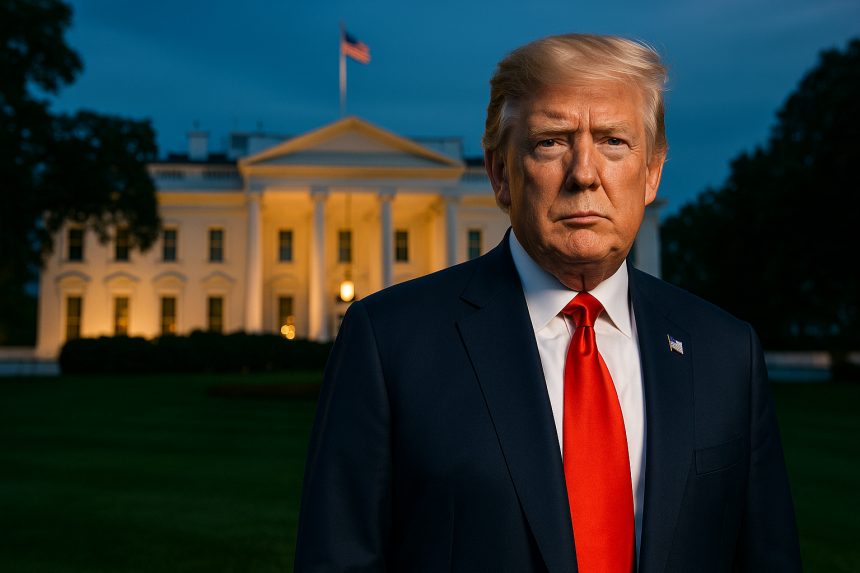
As the global stage watches, tensions surge between the United States and Iran, focusing attention on the strategically crucial Strait of Hormuz. With energy markets in a state of flux, the economic impact reverberates worldwide. Despite military actions aiming for a swift conclusion, the intended diplomatic outcomes remain elusive, adding pressure on international relations.

 ETH
ETH
 SOL
SOL
 BSC
BSC
 ROBINHOOD
 USDT
USDT
 AAPL
AAPL
Amid these heightened tensions, history offers lessons. Similar conflicts have taught that military escalation often fails to yield diplomatic concessions, especially when the opponent is resilient, as seen during previous conflicts involving the same region. The latest developments echo past challenges, underscoring ongoing complexities in achieving stable resolutions.
Can Trump’s Strategy Force Iran to Concede?
Despite President Trump’s initial strategy to exert pressure on Iran with military might, the conflict continues without resolution. Strikes intended to weaken Iran have instead resulted in prolonged hostilities.

“Our commitments remain unwavering, focusing on restoring peace and stability,” Trump emphasized.
Six weeks into the conflict, the theory of inducing negotiations from a weaker stance has proved ineffective.
Why Is Iran Resisting Diplomatic Efforts?
Iran, bearing economic and structural damages, counters with resilience rather than concessions. Military losses and internal unrest put pressure on the regime, yet officials hold firm.
“Iran is committed to safeguarding its sovereignty and regional stability,” stated Iran’s Foreign Minister Abbas Araghchi.
Tehran continues to negotiate diplomatically, signaling openings while maintaining a strong posture.
With the US deadline looming, the administration contemplates further military action, weighing potential global backlash. The proposed extensive assaults on Iran’s infrastructure risk international condemnation and severe retaliatory measures that could further escalate the situation.
Quiet diplomatic maneuvers could pave a path forward, as countries like Pakistan and Egypt mediate potential settlements. Nonetheless, both the US and Iran confront challenges in aligning public declarations with the diplomatic flexibilities required to de-escalate tensions.
The absence of a clear endgame for this conflict remains a major hurdle. While military objectives were initial focuses, broader ambitions such as regime change offer no concrete framework for resolution, complicating diplomatic ventures.
In light of these intricate developments, the path to resolution continues to demand nuanced diplomacy and strategic patience. Meaningful economic incentives and security reassurances can serve as leverage towards reopening key trade channels like the Strait of Hormuz, fostering potential diplomatic successes despite the prevailing adversarial climate.