
 ETH
ETH
 SOL
SOL
 BSC
BSC
 ROBINHOOD
 USDT
USDT
 AAPL
AAPL
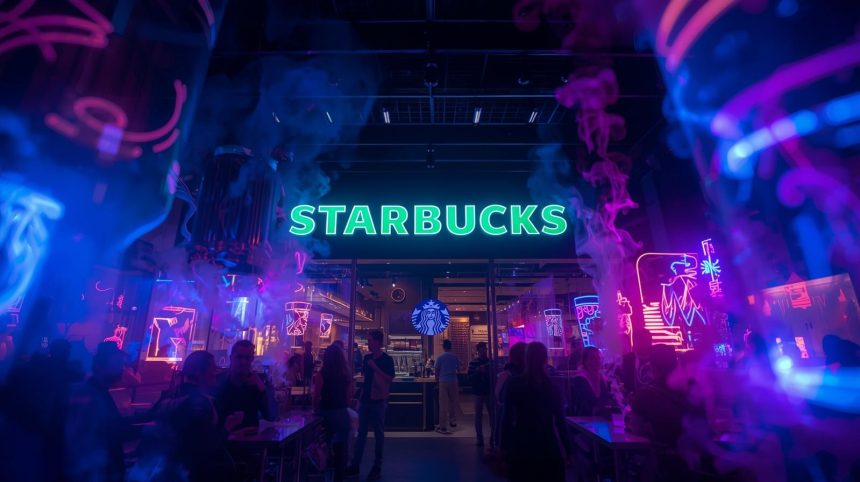
Starbucks (NASDAQ:SBUX) is set to embark on a significant restructuring plan, planning to open new stores and remodel certain outlets in the U.S. by 2026. This initiative follows the recent shutdown of 400 locations, a move aimed at optimizing resources and enhancing brand value. Not only will these changes bring fresh designs, but Starbucks also hopes to provide renewed experiences that align with modern consumer expectations. This strategy marks an effort to balance efficient brand representation with customer demands.
Starbucks has navigated various strategies in response to changing market dynamics over the years. Previously, the company had to adjust its focus, addressing periods of stagnation by pivoting to fresh business models. This call for the refurbishing of existing stores seems in line with trends in the highly competitive coffee market, emphasizing quality over quantity. With this structured approach, Starbucks aims at reinforcing its commitment to a consistent and modernized brand image.

What Does Starbucks’ New Strategy Entail?
The coffeehouse giant intends to incorporate refreshed interiors in its upcoming modifications. Renovations will encompass modern seating, enhanced power accessibility, and other customer-centric features. This endeavor focuses on making stores more inviting, aligning perfectly with consumer preferences for ambiance and comfort.
Why Were the Original Closures Necessary?
Earlier in September, Starbucks identified underperforming locations that couldn’t meet their branding criteria, prompting closures. The decision aimed to consolidate operations, ensuring more profitable and well-situated outlets remaining operational. The necessary realignment echoes the brand’s strategic shift under the leadership of CEO Brian Niccol, whose focus is on creating appealing spaces that assure financial viability.
The company anticipates that reopening new and remodeled venues can address the recent sales slump experienced in the U.S., showcasing a keen focus on reinvigorating its domestic presence. While exact details remain sparse, Starbucks plans an investor event in January to provide further insight. During this time, lucky participants might get an exclusive preview of new initiatives that reflect on Starbucks’ ongoing evolution in the coffee market.
Brian Niccol highlighted locations unable to maintain expected standards or achieve financial performance as primary candidates for closure. He emphasized the need for Starbucks to focus on creating welcoming and financially promising outlets. These refurbishments seek to align with his vision for a more relaxed and customer-friendly coffeehouse environment.
In-depth reviews conducted last year led Starbucks to the “Back to Starbucks” strategy, which Niccol introduced as a medium to revive and advance the company’s overarching mission. Efforts toward the turnaround show early signs of success, evidenced by the recent uptick in global store sales, marking a positive outcome over the past seven quarters.
Ultimately, Starbucks’ ongoing strategy prioritizes enhancing consumer experiences by reshaping the physical landscape of its stores. It remains to be seen how Starbucks’ next steps will play out amid industry competition, but consumer feedback remains central to these developments. By focusing on improved store aesthetics and operational efficiency, Starbucks envisions a strengthened market position as it moves into 2026.