
 ETH
ETH
 SOL
SOL
 BSC
BSC
 ROBINHOOD
 USDT
USDT
 AAPL
AAPL
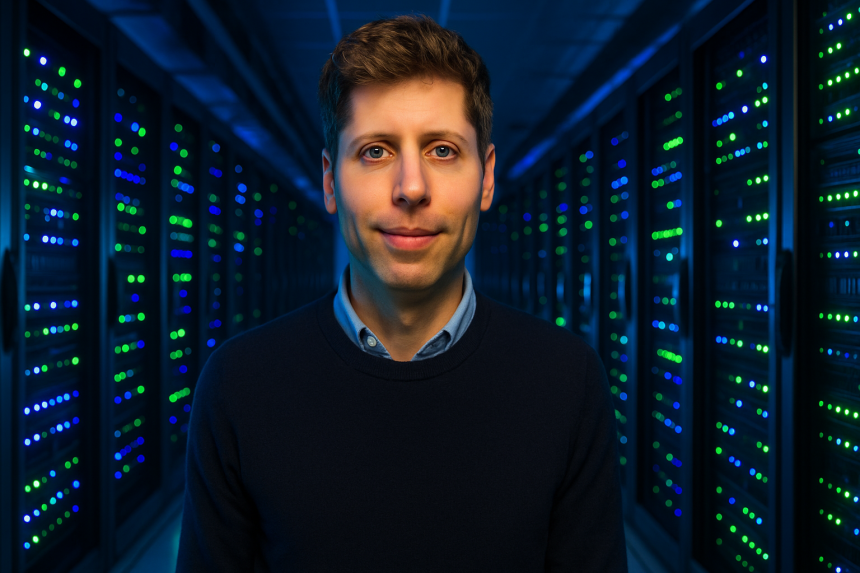
Sam Altman, the CEO of OpenAI, continues to shape his legacy in Silicon Valley, not just through artificial intelligence, but with investments that target diverse industries. Known for his influential role in fostering startups, Altman is expanding his reach beyond AI into promising sectors like biotechnology and renewable energy. By providing significant support to innovative startups tackling major global challenges, Altman underscores a broader vision of impacting future technologies beyond AI’s current scope.
In recent years, Altman has become a notable presence in the investment community, with a portfolio that spans more than 400 companies. His strategic approach involves using personal funds and organizations like Hydrazine Capital for a varied investment spread. Altman’s focus on startups advancing solutions in fields like nuclear fusion and biosecurity reflects a commitment to fostering scalable technologies capable of addressing pressing environmental and security issues.

What Motivates Altman’s Recent Investments?
Altman appears driven by the potential to champion bold, transformative ideas. His investment in Helion Energy highlights this strategy, supporting the development of nuclear fusion to meet growing energy demands. Altman described Helion as featuring “the most promising approach to fusion” he’s encountered in recent years. This involvement indicates Altman’s confidence in scalable, clean energy solutions.
Who Are the Beneficiaries of Altman’s Funding?
Altman’s financial backing supports startups like MirrorTab, a company focused on AI-driven security, which received seed funding through Altman Capital. MirrorTab provides robust cybersecurity through browser-based tools, reinforcing the necessity of safeguarding sensitive data in an increasingly digital world. Brian Silverstein, CEO of MirrorTab, said, “
Effective A.I. security requires knowing when to leverage A.I. and when to block it entirely.
”
Altman’s investments also target the education sector with Campus, a provider of online higher education, projecting the growth of alternative learning models. Additionally, firms like ConductorAI, specializing in automating government workflows, and Exowatt, which focuses on renewable energy systems, exemplify his commitment to innovative technology solutions. These companies are positioned to leverage their unique offerings to meet emerging demands across various industries.
Concluding the breadth of Altman’s recent investments is Arcadia Medicine, aiming to develop psychoactive medicines for therapeutic applications, with newly approved trials by the FDA. Altman’s participation in critical early-stage funding rounds for Arcadia is a testament to his strategic risk-taking in pursuit of advancements in pharmaceutical therapies. The company’s redesigned compounds are intended to balance efficacy with safety, offering new hope in psychiatric treatment landscapes. OpenAI’s role in backing Red Queen Bio further aligns with addressing potential biosecurity threats among AI systems.
The investments illustrate Altman’s strategy of aligning financial resources with groundbreaking technologies, reflecting his broader intention of nurturing sectors with transformative potential. Each business he supports suggests a conscientious choice, balancing innovation with the prospect of meeting tomorrow’s challenges. As Altman continues to diversify his portfolio, the impact of his investments will likely catalyze significant advancements across multiple sectors, with potential positive spillovers well beyond the tech industry.