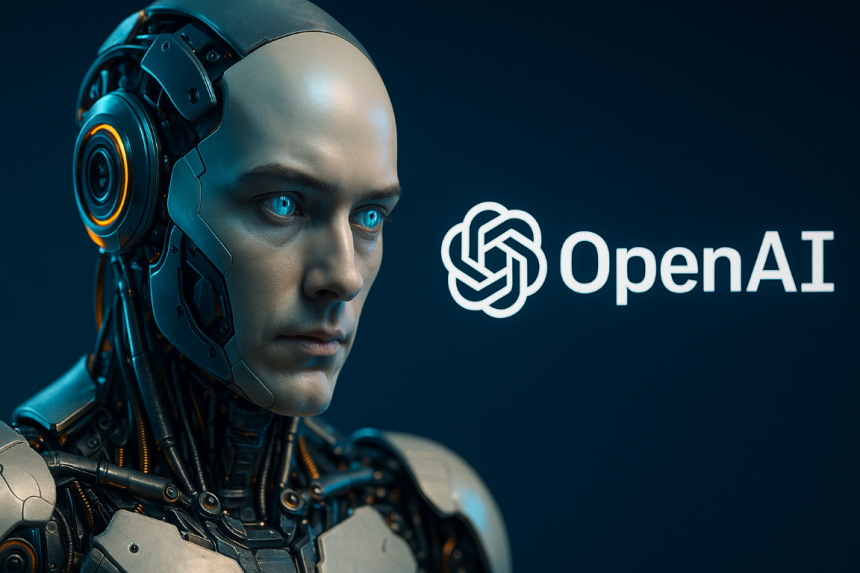
In a bid to strengthen its position in the artificial intelligence sector, OpenAI is exploring opportunities for public listing. However, the timing of this potential IPO is a contentious issue within the company. With intrinsic interests to be balanced, Sam Altman aims to accelerate OpenAI’s next move, while deliberation continues over the associated risks. As IPO discussions become more intense, the potential outcomes are closely watched across the tech industry.

 ETH
ETH
 SOL
SOL
 BSC
BSC
 ROBINHOOD
 USDT
USDT
 AAPL
AAPL
OpenAI has faced similar challenges in the past regarding financial strategies. High expenditures on technological advancements have frequently been highlighted, leading to internal deliberations about prioritizing growth or profitability. This echoes encounters in previous years where strategy debates resurfaced, highlighting recurring challenges for AI-focused companies like OpenAI.
Why Disagreement on IPO Timing?
The discord within OpenAI primarily centers around the timing of the initial public offering. CEO Sam Altman is pushing for a potential IPO by the year’s fourth quarter, even as the company forecasts significant expenditures in AI research before achieving cash flow positivity. In contrast, CFO Sarah Friar has expressed reservations about the readiness for a public listing within the current year, citing concerns over high spending in computing infrastructure. This dichotomy in opinions represents a wider strategic debate within the company.

What Are Both Sides Saying?
Amidst the ongoing disagreements, a joint statement by Altman and Friar emphasized their unified commitment. They stated:
“We are fully aligned that durable access to compute is at the core of OpenAI’s strategy and a key differentiator as we scale. We have both been directly involved in every consequential compute decision over the past year plus.”
Despite public assurances, tensions reportedly remain, especially concerning Fried’s limited involvement in high-stakes investor meetings.
Financially, OpenAI projects robust spending to expand its AI capabilities. OpenAI envisions $121 billion in computing expenses by 2028, predicting losses that surpass historical norms for public firms. This financial scenario questions the feasibility of immediate profitability and ongoing heavy investments in AI development.
An additional report by the Wall Street Journal evaluated the financial challenges faced by both OpenAI and its competitor Anthropic. Specifically, the high costs involved in training AI models could affect their capacity for profitable operations. OpenAI strategizes growth precedence but remains unprofitable using conventional metrics due to soaring training expenses.
It’s evident that as OpenAI navigates these challenges, decisions on financial strategies will have significant implications for the company’s future. Whether opting for rapid public listing or a cautious approach reliant on sustainable growth, these resolutions will dictate OpenAI’s trajectory in the evolving AI landscape.
Industry observers will continue to monitor OpenAI’s strategic moves and potential IPO path in the ever-competitive tech market. As the organization contends with operational costs, the forecast of future returns remains pivotal.