As recent graduates face daunting uncertainties in today’s job market, a prominent voice is recommending they see potential where others view only disruption. Jensen Huang, CEO of Nvidia (NASDAQ:NVDA), spoke to Carnegie Mellon University’s graduating class, urging them to view artificial intelligence not as a threat but as a catalyst for opportunity. The discussion comes at a time when fears of AI replacing human roles are prevalent, especially among the younger workforce poised to enter the market. Huang’s insights offer an alternative perspective, encouraging a proactive approach to technological integration.

 ETH
ETH
 SOL
SOL
 BSC
BSC
 ROBINHOOD
 USDT
USDT
 AAPL
AAPL
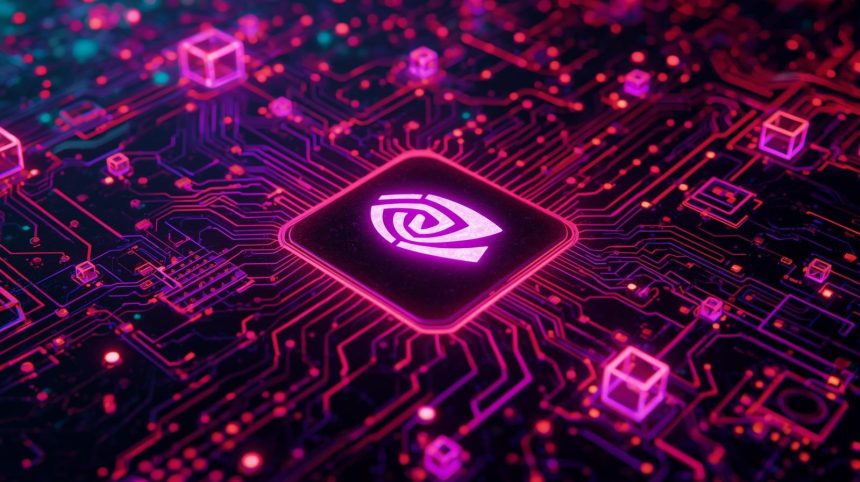
Jensen Huang’s career with Nvidia, punctuated by his leadership decision to pivot towards AI-driven innovations in the 2000s, mirrors the transformative power he sees in the technology today. Nvidia’s ascent to becoming the world’s most valuable public company with a market capitalization of $5.3 trillion underscores the potential Huang sees in AI. In contrast, his earlier discussions have highlighted similar themes of reshaping traditional roles and economic paradigms.
What Does AI Embrace Mean for Future Labor?
Huang points out the promise AI holds in reshaping, rather than eliminating, job roles. During his address, he noted how AI can level the playing field by expanding who can contribute to technological advancements. “Only a fraction of the people in the world know how to write software—now, anyone can ask A.I. to build something useful,” he stated. Such a shift may encourage graduates to pursue AI proficiency as a competitive advantage in their careers.

How Can New Graduates Leverage AI Opportunities?
Addressing those set to enter the job market, Huang urged an embrace of AI’s intersection with industry needs. “A.I. is not likely to replace you, but someone using A.I. better than you might,” he stated. He encourages graduates to act swiftly to shape the evolving technological landscape, rather than merely adapting to it. As companies expand their AI infrastructure with new data centers, roles in trade, like electricians and builders, will be vital, offering a notable opportunity for gainful employment.
Despite optimism, concerns about AI-induced job redundancy persist. The widespread workforce reductions, such as the recent layoffs by Block and similar moves at tech giants like Meta (NASDAQ:META) and Microsoft (NASDAQ:MSFT), serve as reminders of the disruptive capacity AI holds. In contrast to Huang’s positive outlook, other industry leaders like Dario Amodei of Anthropic warn of significant shifts as AI takes on more white-collar roles.
As AI continues shaping industries, embracing this tech-forward approach might serve not just those in academia, but also skilled tradesmen. Huang’s stance on AI-driven expansion signifies potential economic rejuvenation through traditional sectors adapting alongside technological growth.
Graduates entering the workforce during an AI-led transition period find themselves at a historical crossroads not dissimilar from Huang’s own experience during the PC revolution era. However, the scale and speed at which AI progresses today present unique challenges—and opportunities—unlike those seen in prior technological waves.
In reflecting upon AI’s impact, it becomes essential for graduates to weigh how evolving technology integrates with their career goals. By combining optimism with a strategic embrace of AI skills, they can better position for emerging roles across industries. Understanding AI’s expansive potential could redefine career paths for those prepared to adapt and learn.