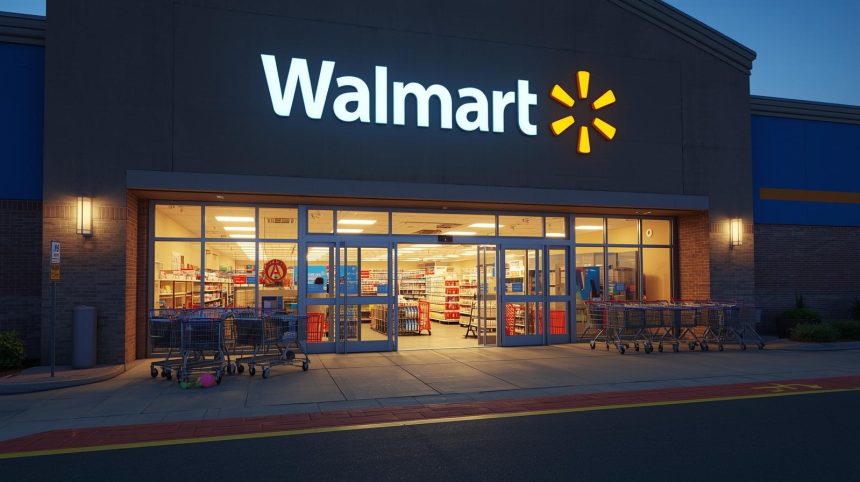
As Walmart (NYSE:WMT) advances towards equipping its stores with digital price tags by the year’s end, the move has sparked a flurry of legislative scrutiny. Lawmakers raise concerns over digital shelf labels potentially facilitating price hikes in times of high demand. This initiative, although innovative, intersects with issues of pricing ethics and consumer protection, necessitating regulatory attention to balance technological advancements with fair trade practices.

 ETH
ETH
 SOL
SOL
 BSC
BSC
 ROBINHOOD
 USDT
USDT
 AAPL
AAPL
Digital shelf labels, a fast-growing concept, have been previously introduced by Walmart in 2024 to modernize store operations. Unlike paper price tags, they allow instant price updates, reducing manual labor and checkout errors. Yet, this innovation is seen by some as a precursor to dynamic pricing strategies, echoing concerns similar to those voiced in discussions surrounding other retailers’ pricing models, where technology-driven price adjustments sparked debate about consumer fairness and market competition.
Why Are Lawmakers Concerned?
Legislators are particularly worried that digital labels might open doors to dynamic pricing, where prices fluctuate based on demand. Senator Ben Ray Luján, leading the charge, advocates for banning this practice in grocery stores over a certain size.

“With food costs rising each month, it’s more important than ever that any new technologies implemented in grocery stores are helping to lower costs, not raise them,”
he stresses, pushing for preemptive controls through the Stop Price Gouging in Grocery Stores Act. This Act aims to establish boundaries ensuring consumer protection against perceived pricing abuses in large retail environments.
Will This Legislation Impact Walmart’s Plan?
If enacted, the proposed legislation poses a significant obstacle for Walmart, given that the size restriction includes nearly all its locations. Representative Val Hoyle echoes this sentiment in the House, advocating for an outright ban on digital labels until consumer protection laws are adequately enforced.
“There needs to be laws and enforcement to protect consumers — and until then, I’d like to see them banned outright,”
she asserts, underscoring the importance of regulatory oversight before widespread deployment.
Although digital shelf labels are designed to enhance operational efficiency, concerns around consumer protection persist. They aim to streamline processes by enabling price modifications in real-time and synchronizing promotions between in-store and online platforms. However, Walmart has reassured that surge pricing through this technology is not part of its strategy.
Sean Turner from Swiftly underscores the operational advantages of digital labels, focusing more on efficiency rather than pricing concerns. He highlights their capacity to reduce discrepancies and expedite price updates as key operational benefits. Despite this, the discourse remains complex, as lawmakers press for measures to ensure that technological innovation does not come at the expense of consumer rights.
Navigating the integration of digital shelf labels involves balancing innovative retail solutions with ethical considerations. While operational efficiency and technological enhancement are significant, the implications on pricing strategies and consumer protection must be meticulously regulated. As these dynamics unfold, it’s crucial for stakeholders to engage in comprehensive dialogues addressing both innovation and consumer welfare.