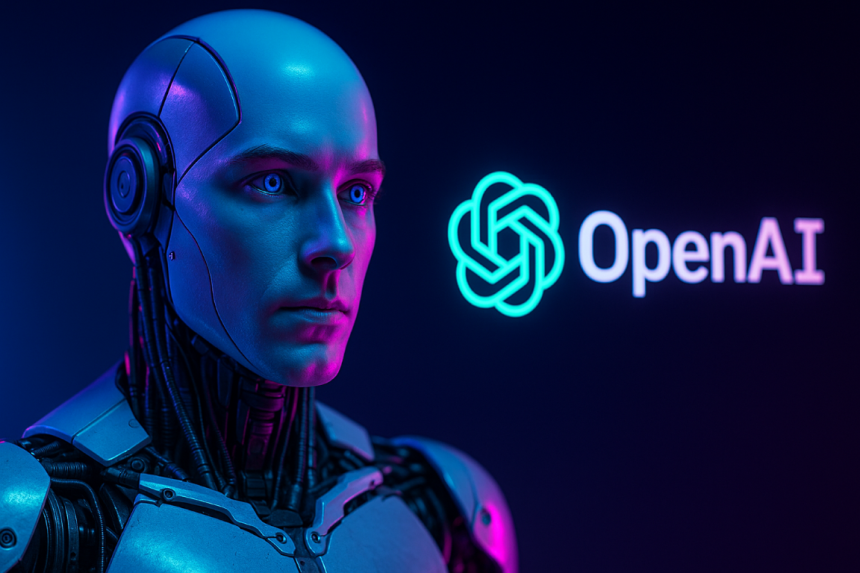
In a significant development in the legal clash involving Elon Musk and OpenAI, a federal judge expressed skepticism over Musk’s enormous $134 billion damages claim while allowing the case to proceed to trial. This dispute underscores tensions between Musk, a co-founder of OpenAI, and the organization over its current for-profit status. The case sheds light on Musk’s conflicting interests, given his venture with xAI, which competes in the artificial intelligence sector.

 ETH
ETH
 SOL
SOL
 BSC
BSC
 ROBINHOOD
 USDT
USDT
 AAPL
AAPL
Judge Yvonne Gonzalez Rogers indicated that the figure Musk is demanding may have been arbitrarily calculated, describing it as “numbers out of air.” Despite these reservations, she has allowed the lawsuit to move forward, ensuring the jury will evaluate the evidence. Musk’s attorneys argue the damages are justified by his previous contributions to OpenAI, which have been allegedly overshadowed by its shift to prioritizing profit. In contrast, OpenAI defends its transformation, with the case expected to be heard next April.
What Led to This Legal Dispute?
The roots of this lawsuit trace back to Musk’s philanthropic activities with OpenAI, where he initially envisioned it as a nonprofit entity. He contends that his financial and non-financial investments were pivotal to its early success. However, OpenAI’s shift from these origins led to Musk feeling defrauded. In response, OpenAI has countered with accusations that the claims are driven by Musk’s competitive motives, particularly concerning his interests in xAI.

How Is This Case Different From Others?
Contrary to many corporate lawsuits, this case involves complex motivations tied to large-scale investment, philanthropy, and competitive business strategies. While Musk’s $134 billion claim raises eyebrows, the heart of the issue lies in the evolution of OpenAI and its impact on initial investors and stakeholders. At the pretrial hearing, the core arguments appeared less about numerical validity and more focused on ideological pivots within the artificial intelligence sector.
Expert witness, C. Paul Wazzan, played a crucial role with statements relating to Musk’s early financial inputs into OpenAI. He suggested these contributions represented a substantial share of OpenAI’s not-for-profit division. The wider implications of OpenAI’s lucrative ventures have propelled its valuation to $730 billion, complicating the legal narrative.
Alongside this litigation, Musk announced the impending release of X Money, intended to transform the platform into an expansive super app providing various financial services, reflecting his broader ambitions in fintech.
“I think it’s possible to become the biggest financial institution in the world,”
Musk mentioned earlier this year.
These ongoing legal and strategic initiatives indicate Musk’s broader vision beyond AI. The trial’s outcome may have far-reaching consequences not only for OpenAI but also for AI governance and transactions.
As the proceedings unfold, the intricate dynamics between investor expectations, nonprofit aspirations, and commercial realities come into sharp focus. Legal observers and AI stakeholders are keenly watching how this high-stakes case might influence future interactions between philanthropy and profit-driven motives in tech sectors.
“Do I find it convincing? Not really,”
Judge Rogers remarked, pinpointing the critical skepticism fueling this multifaceted dispute.