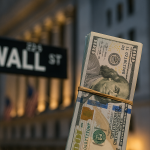
As tensions rose in the Middle East and impacted oil futures, traders turned away from traditional markets, opting instead for blockchain-based platforms offering tokenized commodities. These blockchain platforms, unaffected by traditional market hours, saw a surge in activity that highlighted the growing interest in tokenizing real-world assets. The technology‘s promise of uninterrupted trading and instant settlement is drawing attention from investors and regulators alike.

 ETH
ETH
 SOL
SOL
 BSC
BSC
 ROBINHOOD
 USDT
USDT
 AAPL
AAPL
Such reliance on blockchain finance, however, is not a novel development. Over recent months, the SEC has progressively considered policies that support the tokenization of securities. On March 12, a recommendation urged the SEC to modernize its regulations to facilitate tokenizing equity securities without undermining investor protection. This move signifies a growing acceptance of digital finance within regulatory frameworks.
Why Did Investors Move to Blockchain Platforms?
The conflict-induced volatility in traditional oil futures markets provided a distinct moment where blockchain’s advantages were evident. Unlike conventional markets, which pause on weekends, blockchain allows continuous trading. As a result, investors seeking exposure to oil prices migrated to platforms handling perpetual contracts that operate 24/7. The restricted access for U.S. investors demonstrates regulatory challenges that must be addressed for wider adoption. This regulatory clarity is something U.S. agencies are aiming to develop, potentially accelerating the tokenized finance sector. U.S. residents remained limited by regulations as the SEC focuses on crafting clear guidelines to facilitate growth in this sector.

What Are the Dynamics of Tokenized Real-World Assets?
Tokenized assets like treasuries and commodities are beginning to carve a space on public blockchains. These initiatives present assets as programmable financial tools that promise global trade and instant settlements. Even with billions secured in assets, they account for only a small fraction compared to traditional financial markets‘ enormity.
This disparity in scale reveals challenges ahead, particularly in liquidity for tokenized assets. Despite enthusiasm around trading activities such as those experienced with tokenized oil, the broader application of blockchain in finance is emerging at a measured pace. Kraken Financial’s latest ventures, like gaining access to the Federal Reserve payment system, illustrate these incremental advancements.
“The tokenization of real-world assets [has] long been a goal for crypto,”
indicated Brett McLain of Kraken, showing a path sought by many in the industry.
The emergence of tokenized markets also sparks interest from institutional entities. There has been significant movement toward integrating these digital rails with existing financial infrastructure. With moves by NASDAQ aimed at tokenized securities, the financial sector’s infrastructural evolution reflects the sector’s responsiveness to this emerging technology.
In exploring tokenized finance’s potential, historical challenges of integrating these digital systems with established financial mechanisms persist. Initiatives from firms like Payward and regulatory clarifications by agencies aim to address these roadblocks. This joint effort involving technical clarifications from notable financial regulators evidences the ongoing shift toward incorporating digital assets into mainstream finance operations.
While broader adoption of digital and tokenized assets follows a gradual trajectory, the push to synthesize blockchain into integrated systems offers critical insights into future trends. Enhanced regulatory guidance and successful cases of implementation are likely to accelerate integration, benefiting global capital markets and digital finance users.