
 ETH
ETH
 SOL
SOL
 BSC
BSC
 ROBINHOOD
 USDT
USDT
 AAPL
AAPL
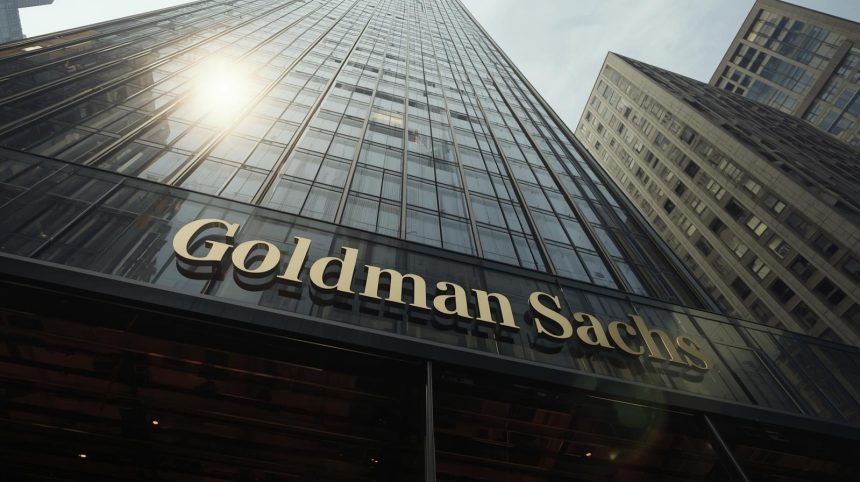
Recent projections by Goldman Sachs have introduced a wave of optimism on Wall Street, forecasting the U.S. economy to exceed most economist expectations regarding GDP growth in 2026. The firm has highlighted factors like fiscal tailwinds, reducing inflation, and a robust consumer base as primary drivers for this anticipated economic momentum. In light of these predictions, investor sentiment appears to be shifting positively despite existing concerns.
Goldman Sachs’ optimistic outlook is set against the backdrop of a historically mixed economic sentiment. Previous reports projected fluctuating growth patterns, although this new analysis suggests a more consistent upward trend. The emphasis on strong consumer spending and easing inflation marks a departure from earlier metrics that focused heavily on global economic uncertainties. These evolving perspectives suggest dynamics within the U.S. economy may be experiencing a recalibration.

How Are Markets Reacting?
The trading landscape showed mixed reactions immediately following the economic forecasts. With upcoming data releases and significant announcements expected from major tech firms like Apple (NASDAQ:AAPL), Meta (NASDAQ:META), and Microsoft (NASDAQ:MSFT), market participants remain cautious yet hopeful. The Federal Reserve’s two-day meeting in Washington, D.C., further contributes to the cautious optimism, with many evaluating potential shifts in short-term interest rates.
Can Gold and Stock Markets Maintain Their Momentum?
Amidst tariff concerns, gold prices are maintaining elevated levels, trading over $5,000 per ounce. This enduring strength is contributing to its favorable performance compared to the S&P 500 over the last half-decade. The current trading figures reflect this dynamic; the Dow Jones Industrial Average is down by 0.87%, the Nasdaq Composite is slightly up at 0.48%, and the S&P 500 continues its modest climb.
Moving on to corporate news, Meta Platforms is reportedly making significant investments in fiber-optic networks through Corning, boosting stock prices by over 7%. Additionally, U.S. military contracts with Amazon (NASDAQ:AMZN) and Salesforce mark notable tech advancements, underlining an alignment of tech solutions with defense needs.
Boeing’s recent report indicates a 57% rise in Q4 sales year-over-year. Despite this revenue growth, its stock has suffered a nearly 2% drop, impacting the wider Dow Jones performance. Such fluctuations illustrate the unpredictable nature of market responses to corporate earnings versus broader market conditions.
The current economic landscape, portrayed by both firm projections and market reactions, indicates cautious optimism for the near term. While tech industry partnerships and government contracts generate specific positive news, broader market sentiment remains influenced by the Federal Reserve’s decisions and global fiscal dynamics. As fiscal measures and consumer confidence drive forward, the economic picture continues to evolve.
The expected robust U.S. economic growth signals potential momentum, albeit accompanied by market apprehensions concerning interest rates and global economic factors. With updates awaited from tech giants and the Federal Reserve, market participants balance optimism with prudence. Keeping abreast of these dynamics can provide deeper insights into market movements and economic realities.