
 ETH
ETH
 SOL
SOL
 BSC
BSC
 ROBINHOOD
 USDT
USDT
 AAPL
AAPL
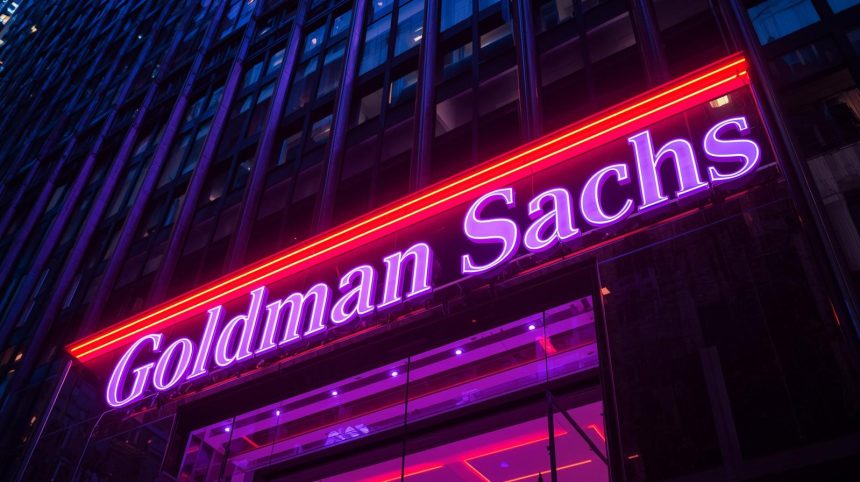
In an era where digital security is paramount, incidents that compromise data integrity are both alarming and consequential. Recently, Goldman Sachs (NYSE:GS) informed investors about potential exposure of their information due to a cybersecurity breach at Fried Frank Harris Shriver & Jacobson LLP, a firm handling some of their legal affairs. The breach has raised concerns about the security practices employed by companies managing sensitive client information through third-party services. This incident serves as a reminder of the potential risks associated with outsourcing data management to external entities, highlighting the need for stringent security protocols.
Prior incidents in the industry have demonstrated how third-party vulnerabilities can be exploited by cybercriminals. Previous reports have shown that third-party capabilities significantly contribute to hacking incidents. These breaches can compromise client data, eroding trust and potentially causing financial damages. Lessons learned from these incidents stress the importance of ongoing vigilance and advanced security measures to protect against such breaches.

What Happened During the Incident?
The cybersecurity incident at Fried Frank exposed data tied to Goldman Sachs’ alternative investment funds. The bank took immediate action to inform its investors about the potential risks. Fried Frank assured Goldman Sachs that their network was secure following corrective measures and that the threat had been managed. However, such incidents underscore vulnerabilities inherent in third-party engagements.
How Did Parties Involved Respond?
Goldman Sachs responded by emphasizing that their systems remained secure despite the breach. They reassured clients that their ongoing commitment is to safeguard client data robustly.
“Goldman Sachs’ systems were not impacted by this incident and remain secure,” a spokesperson confirmed.
Fried Frank collaborated with cybersecurity experts to address the incident and notify law enforcement promptly.
“We promptly acted to contain the incident and engaged industry-leading, external data security experts,” reported a Fried Frank spokesperson.
This incident illustrates collective efforts to mitigate the aftermath of breaches.
Reports from PYMNTS have indicated that third-party vulnerabilities are increasingly being exploited by attackers. These weaknesses in vendor systems have been a recurrent theme in significant cyberattacks, often serving as gateways to more extensive intrusions and fraud.
The 2025 Data Breach Investigations Report by Verizon highlighted a growing trend where 30% of data breaches involved third-party associations, up from previous years. This uptick in breaches linked to external parties calls for enhanced scrutiny of third-party practices and improved collaborative security frameworks among organizations.
This situation representing Goldman Sachs and Fried Frank underscores broader industry challenges in containing cybersecurity threats related to third-party collaborations. Continuous improvement in security protocols and coordinated efforts between businesses and their partners could be critical in minimizing the risk of future breaches. The necessity for robust vetting of third parties and continuous monitoring of data security practices is more pressing than ever in maintaining client trust.