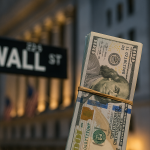
France’s gambling climate shifts as its regulators turn attention to non-traditional platforms. With growing apprehensions about illegal online gambling, authorities are now targeting emerging markets like Polymarket. This decision is aimed not only at curbing unauthorized gambling activities but also protecting users from platforms with limited regulatory oversight.

 ETH
ETH
 SOL
SOL
 BSC
BSC
 ROBINHOOD
 USDT
USDT
 AAPL
AAPL
In recent years, European authorities have increased efforts to regulate online gambling activities. France has taken proactive measures, exemplified by blocking URLs deemed inappropriate, citing consumer protection as a priority. This strategy reflects broader European trends where countries like Germany and Italy have similarly intensified their internet policing in the face of rising unregulated digital markets.
Rising Concerns about Online Platforms
The Autorité Nationale des Jeux (ANJ) has instructed internet service providers to block Polymarket, citing a lack of KYC controls. This decision stems from the platform’s similarities to regulated gambling sites but lacking proper safety mechanisms. The regulator highlighted previous issues with manipulated bets, stating concerns over the platform’s vulnerability to hacks.

How Effective are the Current Regulations?
Despite regulatory efforts, French users have been persistent in accessing Polymarket through VPNs, bypassing local restrictions. Data suggests significant traffic from France, with thousands of users visiting the platform monthly. This indicates that there are still hurdles in enforcing online gambling regulations effectively.
“Because some of their addictive features are similar to those of regulated gambling offerings — but are amplified by the absence of the protective mechanisms found in the legal gambling market — the ANJ urged users to exercise caution,” the regulator said.
The market for prediction platforms like Polymarket is expanding rapidly. Rivals such as Kalshi are venturing into new areas, partnering with companies like AppliedXL to offer predictive trading on medical regulatory outcomes. Such ventures underscore a broader industry trend of blending elements of traditional trading with likelihood-based predictions.
“The data that determines which drugs advance and which don’t is largely locked away from the people who need it most,” stated Tarek Mansour, CEO of Kalshi.
The growing interest in prediction markets reflects broader shifts in gambling and trading landscapes. As platforms continue to innovate, regulators are tasked with balancing market growth and consumer protection. Effective enforcement and robust regulations remain critical as innovative markets evolve at a rapid pace.