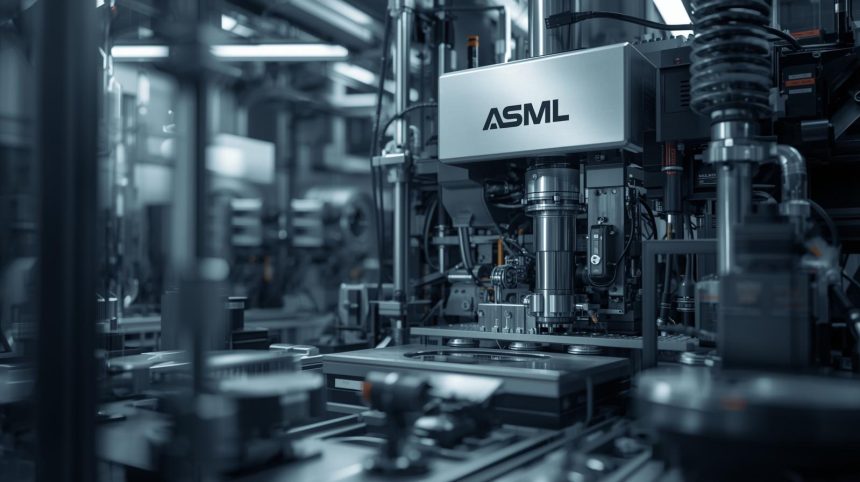
ASML (NASDAQ:ASML) Holding is poised to release its Q1 2026 earnings, a key moment for investors and stakeholders across the semiconductor industry. Recognized globally for its exclusive production of extreme ultraviolet lithography machines, ASML impacts the AI chip supply chain significantly. Although ASML concluded 2025 with strong orders, there are concerns about the upcoming quarter’s financial performance due to challenges in the revenue outlook and restructuring impacts.

 ETH
ETH
 SOL
SOL
 BSC
BSC
 ROBINHOOD
 USDT
USDT
 AAPL
AAPL
In recent years, ASML has seen a steady rise in EUV orders and backlogs, despite missed earnings estimates. The culmination of these challenges has sparked critical discussions about their future growth trajectory. Unlike previous periods, current downgrades from major financial institutions and restructuring efforts signal a more cautious investment climate. The upcoming earnings report for Q1 2026 will be pivotal in delineating the company’s future financial path.
Can ASML Maintain Its EUV Dominance?
ASML must demonstrate that it can maintain robust EUV orders to sustain investor confidence. The recent $7.9 billion purchase agreement with SK Hynix until 2027 is a positive indicator, though the company faces external economic challenges that might hinder growth. Currently, ASML’s exclusive position in the industry is its most vital strength.

How Do Export Restrictions Affect ASML?
China, which previously made up nearly 29% of ASML’s revenue, poses uncertainty due to tightening export regulations. ASML aims to counterbalance this potential revenue decline through increased sales to other key markets like Taiwan and South Korea. The degree to which these countries fill the gap will significantly impact ASML’s 2026 performance trajectory.
Amid these uncertainties, the restructuring plan involving the reduction of 1,700 roles has added complexity to the company’s strategic trajectory. CEO Christophe Fouquet stated,
“We expect 2026 to be another growth year for ASML’s business, largely driven by a significant increase in EUV sales and growth in our installed base business sales.”
His statements suggest continued optimism, despite the challenges.
Analysts remain divided in their projections. While Bernstein reflects optimism with a target raise, a broader sense of hesitancy exists given the uncertain external landscape. The variance in outlook reflects the current complexities surrounding the company’s operational dynamics.
ASML’s exclusive position as a supplier continues to benefit the company. However, the need to convert its backlog into recognized revenue for 2026 while meeting its guidance will be crucial. Fouquet also emphasized the importance of maintaining their growth strategy, stating,
“The ongoing adoption of our EUV platform will be a fundamental pillar in achieving our long-term revenue goals.”
With ASML’s quarterly results approaching, investors seek a delicate balance between optimism for growth and cautiousness over geopolitical and economic hurdles. Insights from recent history indicate nuanced industry dynamics, as past resilience may not guarantee future performance due to mounting international challenges.