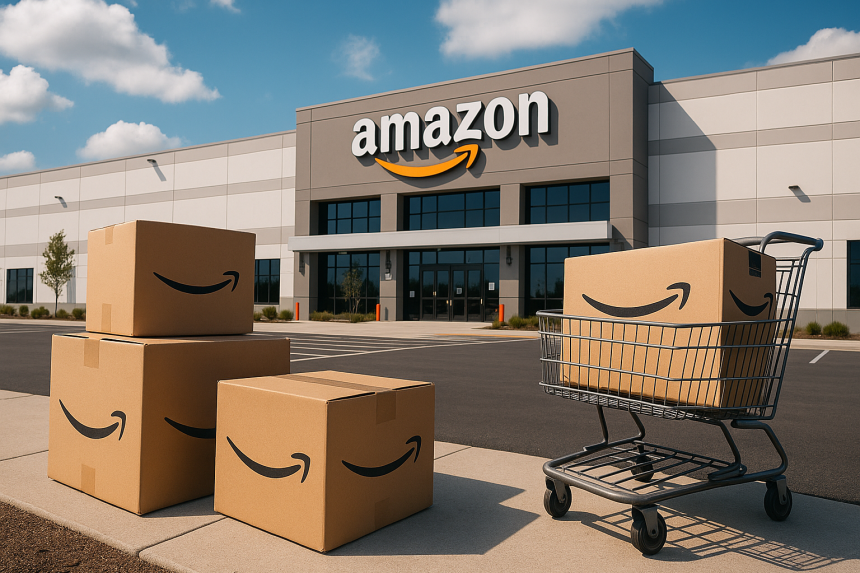
As consumer habits continue to shift towards online platforms, Amazon (NASDAQ:AMZN) is making significant strides in the automotive sector through collaborations with well-known car brands. To enhance its footprint in this sector, Amazon has partnered with major names like Hyundai, Chevrolet, Jeep, Kia, Mazda, and Subaru, expanding the Amazon Autos service to over 130 cities. This initiative aims to create a seamless car-buying experience for customers who are increasingly exploring e-commerce options for significant purchases.

 ETH
ETH
 SOL
SOL
 BSC
BSC
 ROBINHOOD
 USDT
USDT
 AAPL
AAPL
Amazon’s recent venture into car sales started at the end of 2024, targeting the substantial new car retail industry in the US. Last year’s reports highlighted how pivotal such ventures could be, citing a $1.3 trillion annual sale through dealerships in 2025. This highlights a marked interest from Amazon in engaging a larger share of this lucrative market. Through Amazon Autos, customers looking for new vehicles now have the convenience of completing purchases and financing online while minimizing time spent at dealerships.
What Advantages Does the Amazon Autos Program Offer?
This car-selling venture not only simplifies the purchasing process for consumers but also provides significant benefits for dealers by reaching a broader audience. Through digital platforms, dealers have the opportunity to market their inventory to individuals browsing from home, capturing a more extensive range of potential buyers. For instance, Matthew Phillips, a dealer in California, noted a strategic advantage despite currently modest sales, such as selling a Kia Carnival minivan via Amazon.

How Is the Car Industry Responding to Amazon’s New Initiative?
Amazon Autos is reportedly witnessing an encouraging reception from both customers and dealers, indicating a positive trend for its future endeavors. Fan Jin, director of Amazon Autos, mentioned the program’s strong customer response, which has led to extending vehicle offers extensively across the nation. With customer familiarity with Amazon’s platform, there is potential for evolution and expansion within this fledgling initiative.
“Customers have a level of comfort with Amazon, but it’s definitely just in the starting phase,” said Phillips. Amazon’s focus is not limited to sales; it also explores potential revenue streams in advertising, as car company ads contribute significantly to this thriving $30 billion annual market. This diverse approach underlines Amazon’s strategy to deepen its engagement within the automotive sector.
The evolving digital landscape sees an increase in the deployment of artificial intelligence (AI) in car dealerships. Survey reports suggest about 57% of dealership staff rely on AI to capture leads, streamline operations, and manage burgeoning costs. These technological enhancements are key as car purchasing increasingly commences in the digital arena, allowing faster responses and optimizing promising leads.
Examining Amazon’s current strategy, it paves the way for potential growth and development in the online car sales market. As digital and traditional car-buying avenues intertwine, the flexibility and efficiency these platforms offer will likely contribute increasingly to their adoption. By integrating advertising and AI advancements, the auto sector could see further disruption and innovation in the coming years as broader digital processes continue to evolve.